German Military
Abandoned or forgotten former German military sites including Nazi facilities from the war. There were plenty of them and plenty remain to be found.
Featured
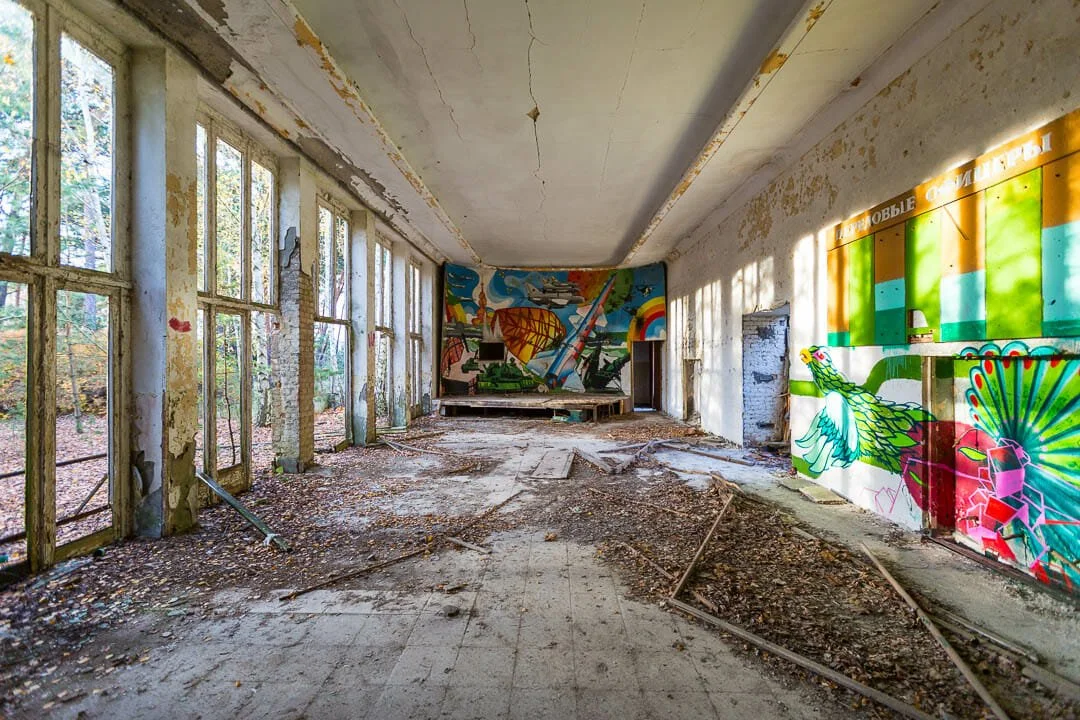
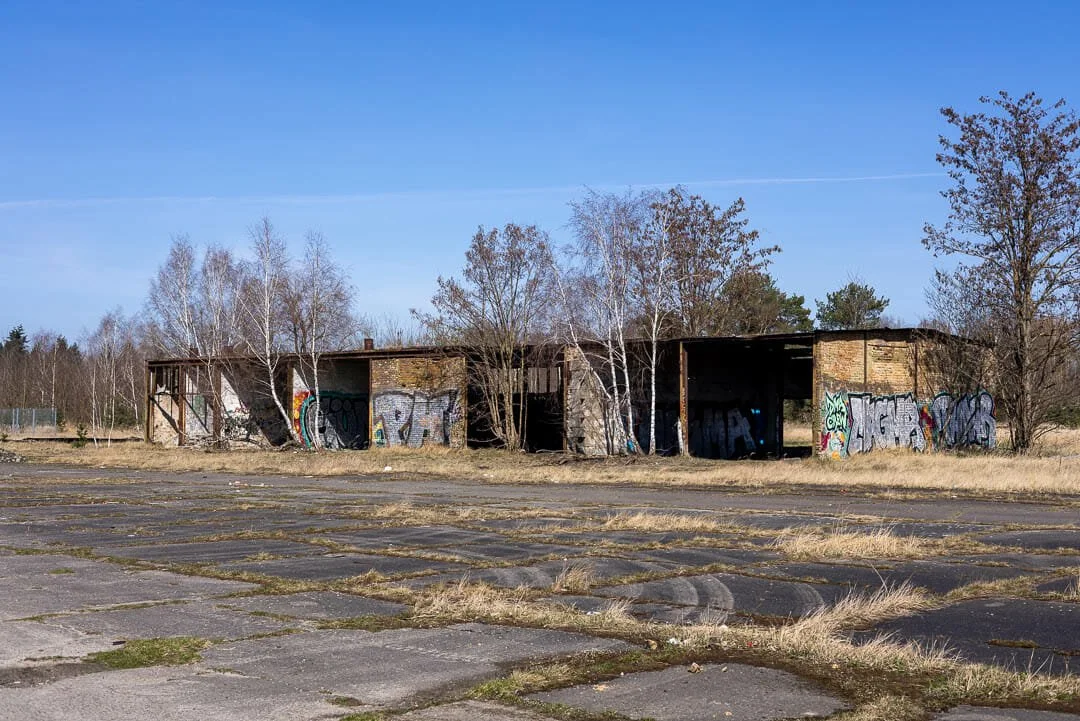
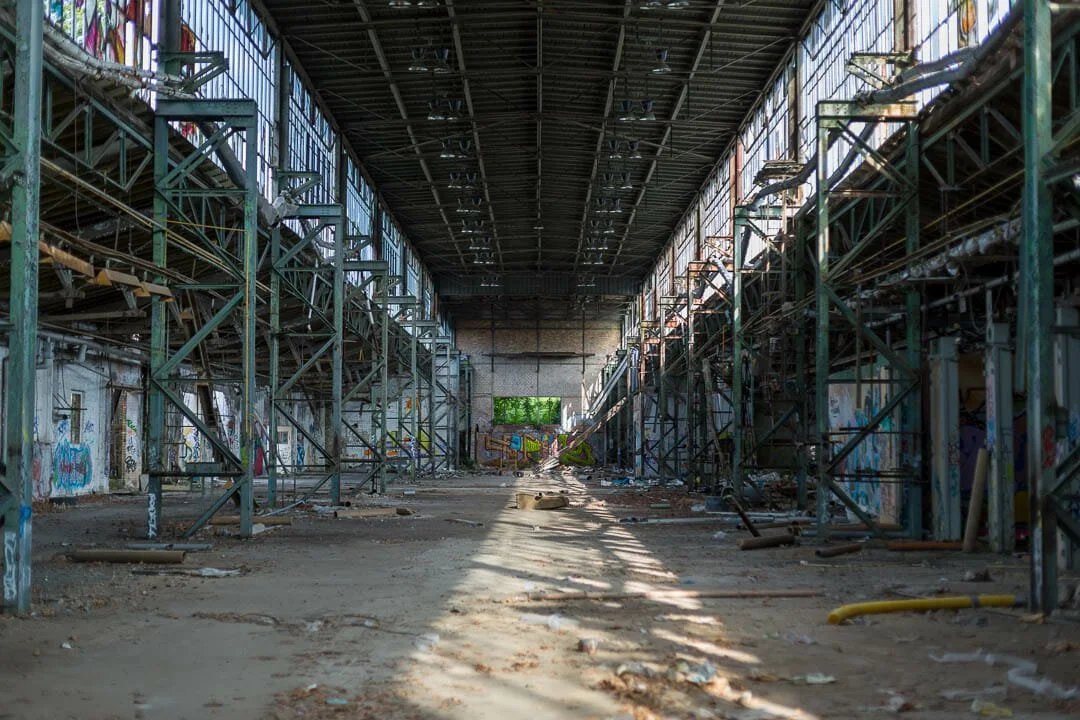

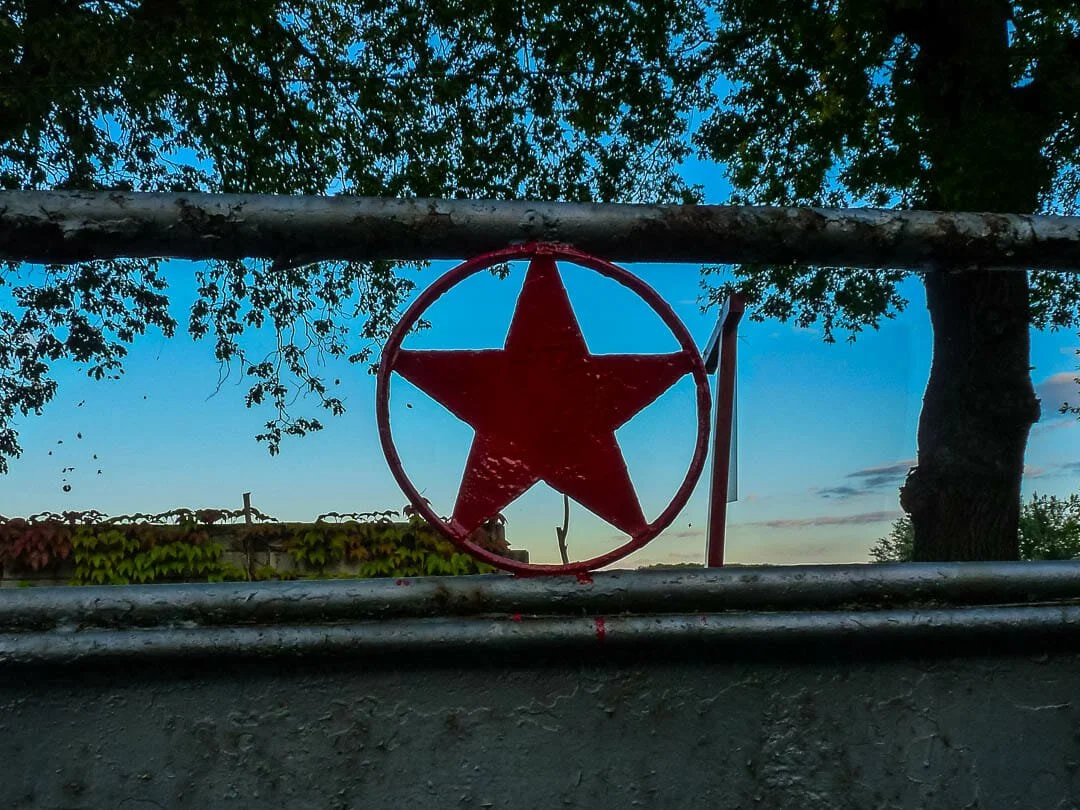
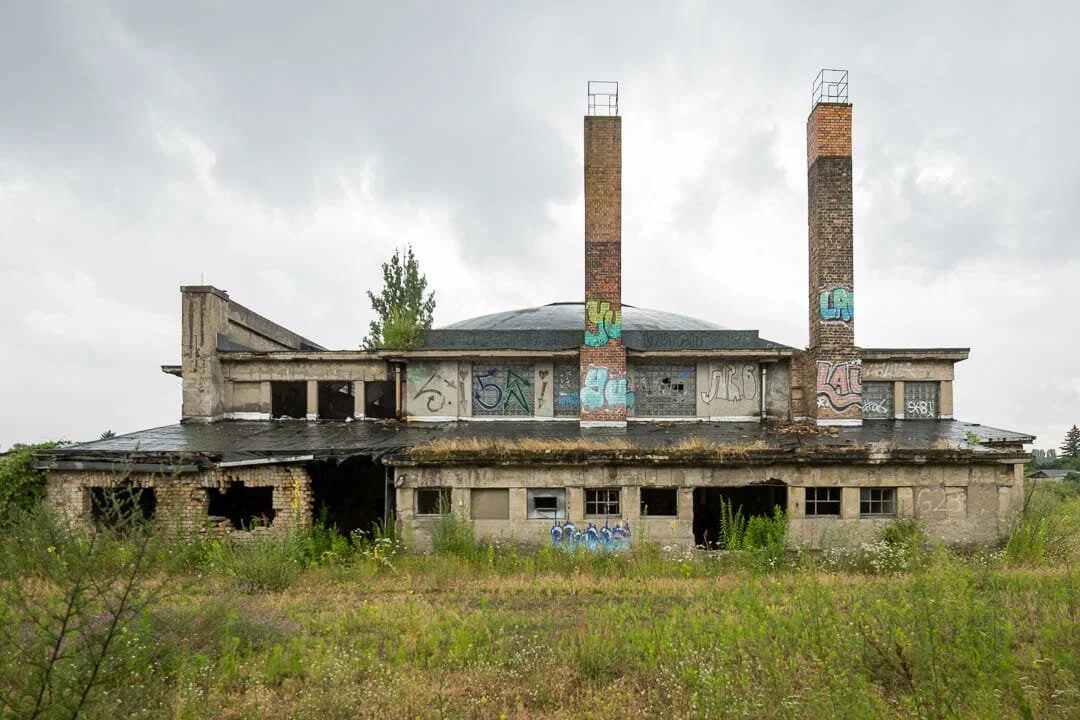
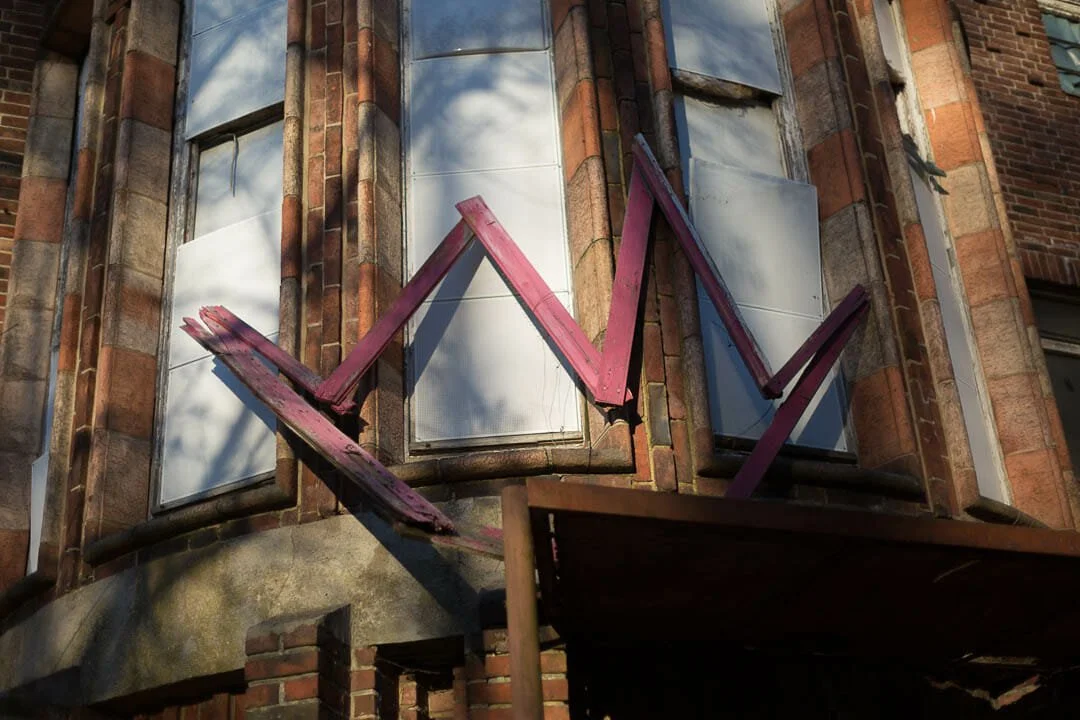
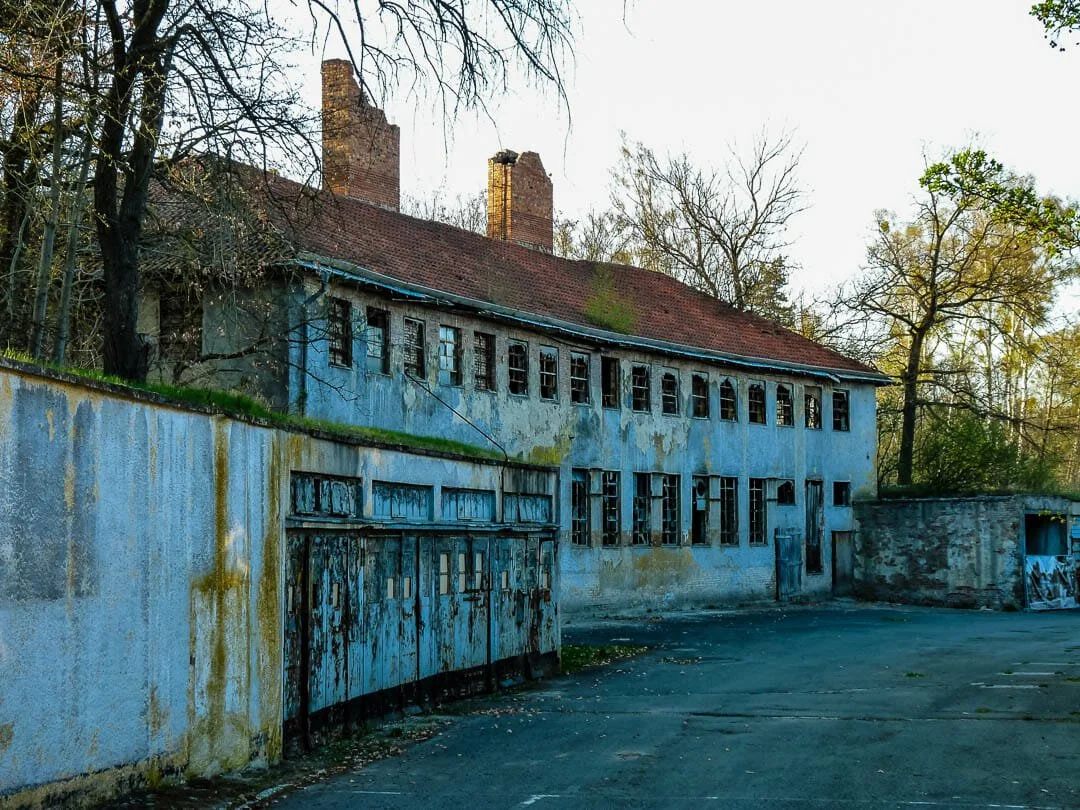

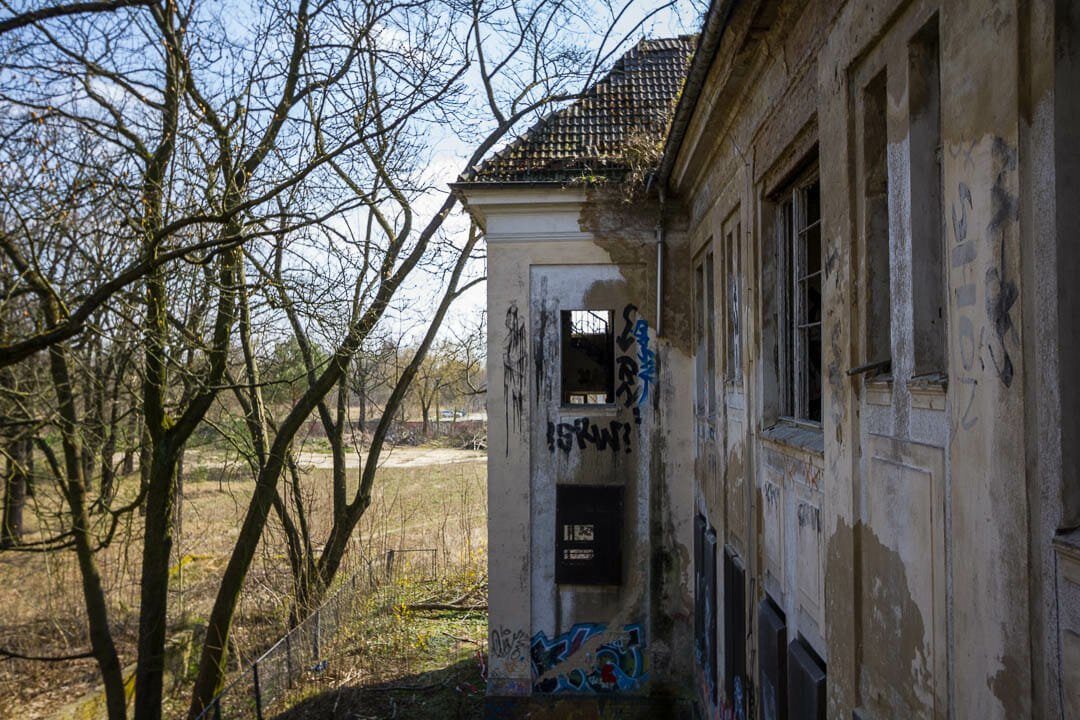
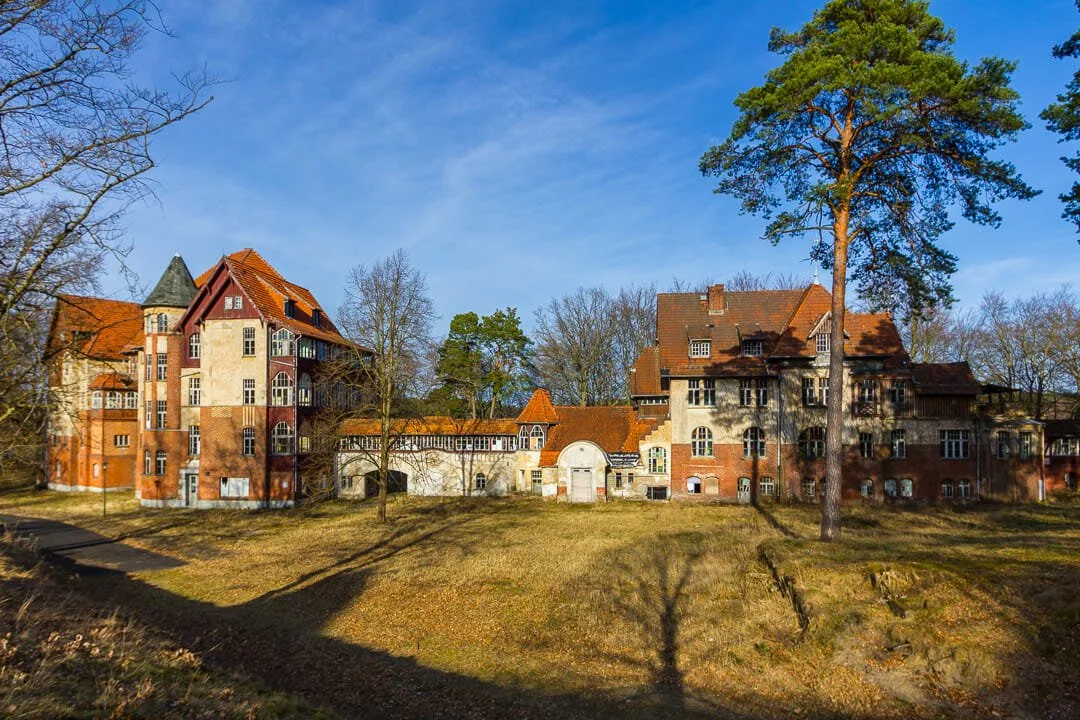
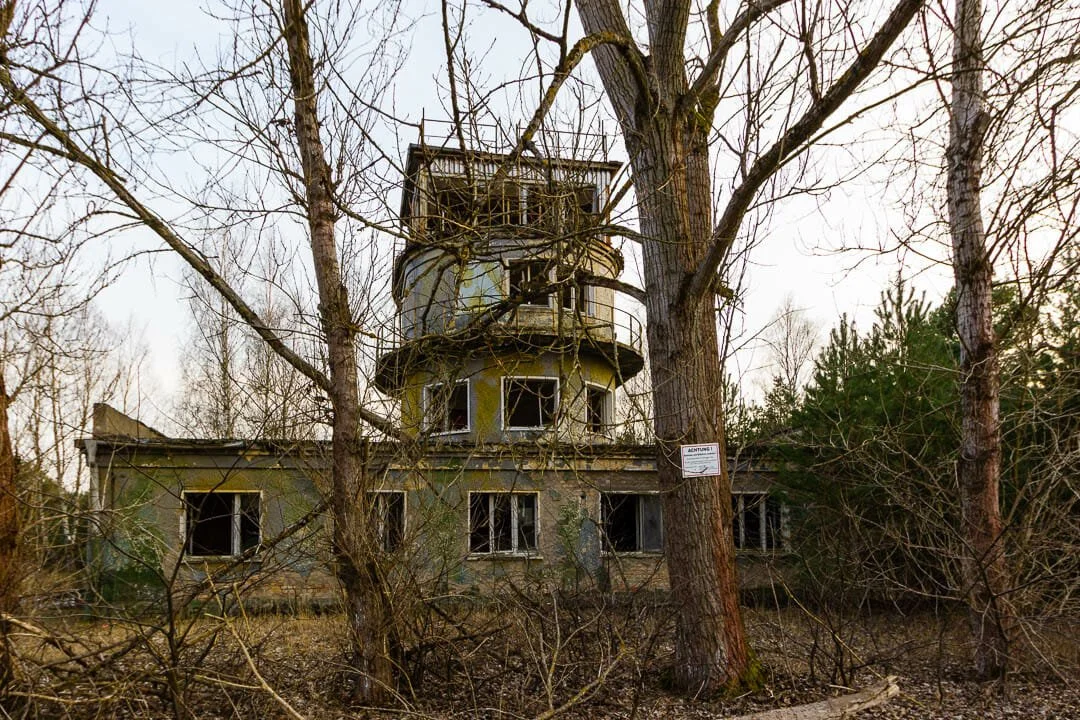
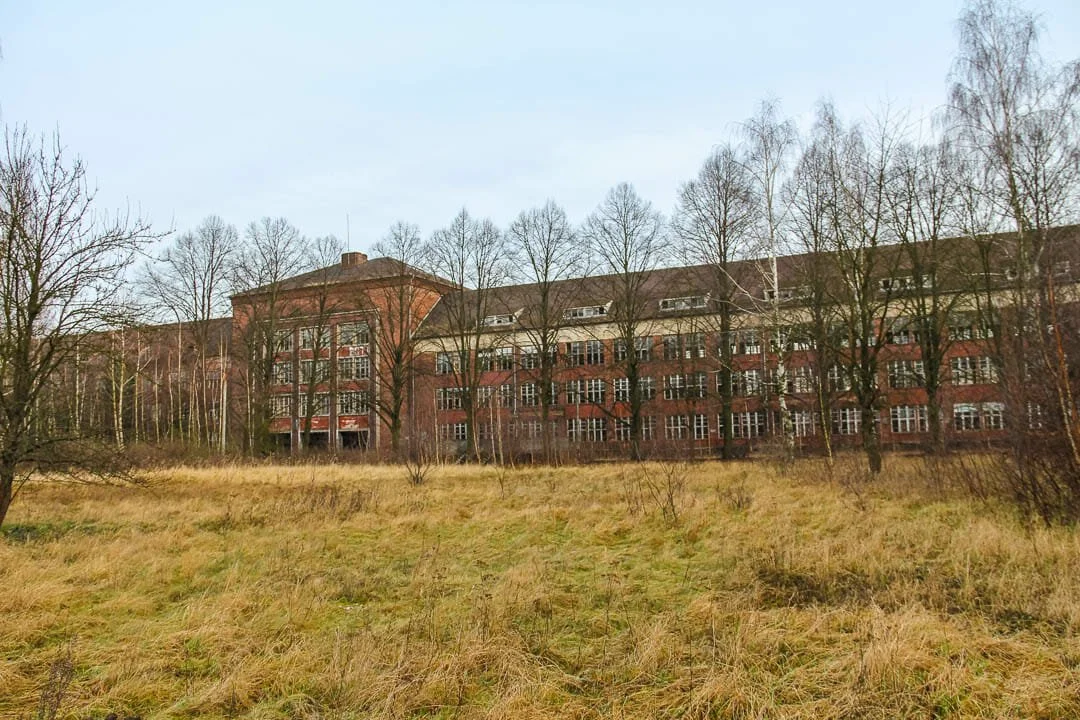

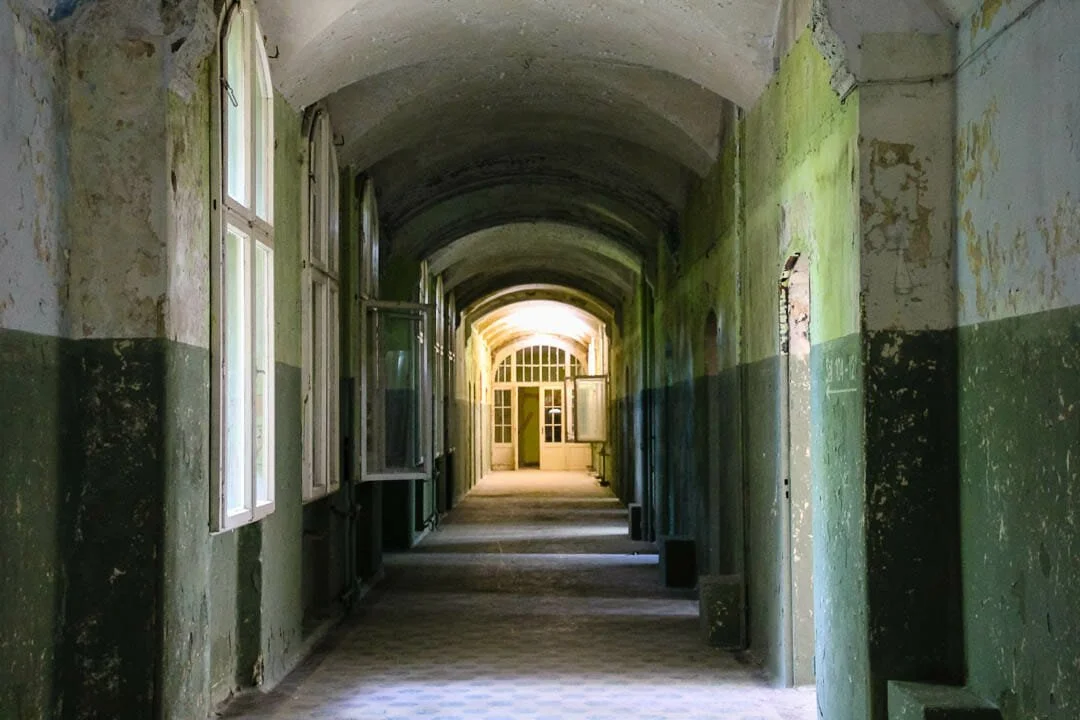
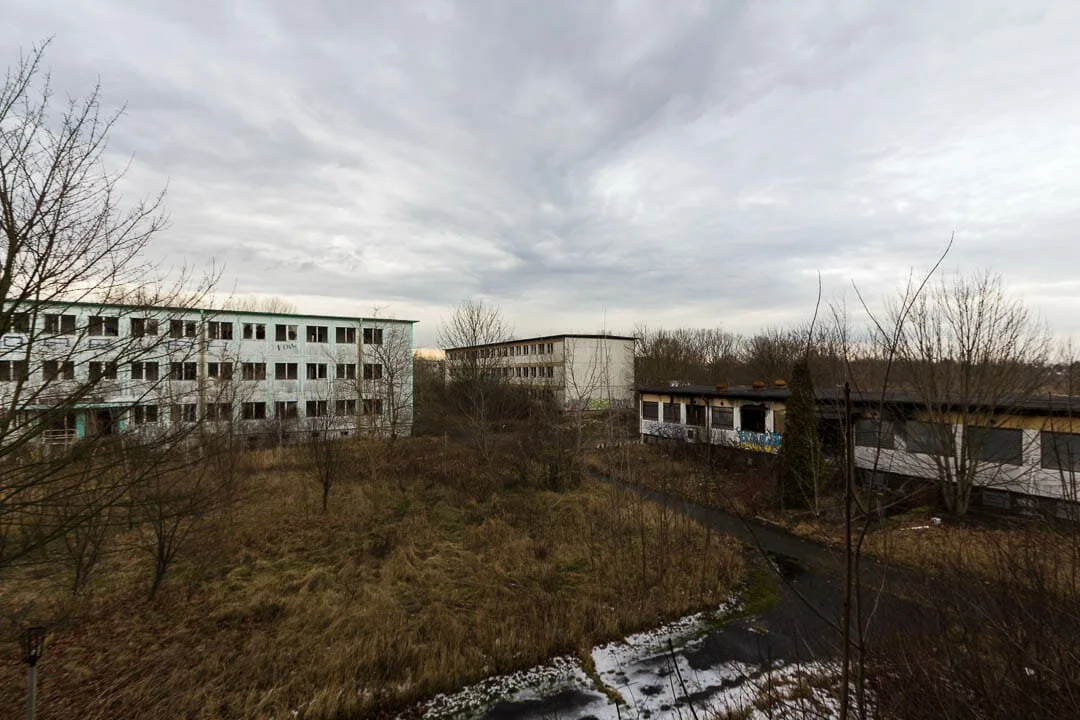
Abandoned or forgotten former German military sites including Nazi facilities from the war. There were plenty of them and plenty remain to be found.
Wünsdorf was the Soviet military forces' HQ in Germany, Little Moscow, the Forbidden City. The Nazis used it before that for their underground army HQ.
Niederlehme's Treib- und Schmierstofflager 44, aka TSL 44, was a former oil and fuel storage facility used by Nazi Germany, then East Germany’s armed forces.
Germany's Luftwaffe used Flugplatz Schönwalde for the war. The Soviets took over afterward and left their traces after abandoning the airfield in 1992.
Flugplatz Brand was strategically important for the Soviet Air Force. Thankfully its battalions of flying fighters remained on ice for the duration of the Cold War.
Jüterbog and its military camps played host to soldiers’ charades, men playing with guns, for around 130 years before the last ones left in 1994.
Flugplatz Oranienburg served in the summer of 1944 as a test center for the legendary Horten Ho IX, the world’s first “stealth” bomber.
One of the world’s first motor airfields when it opened in 1909. People used to flock to Flugplatz Johannisthal to see marvelous metal machines with wings actually fly.
Lager Koralle was the forest bunker that controlled Germany’s feared U-boat fleet during World War II, central command for its marauding submarines.
Krampnitz, former military training school for Nazis, then Russians, where Inglourious Basterds was filmed, now abandoned and awaiting exploration.
Brash airplanes used to roar in and out of Fliegerstation Berlin-Friedrichsfelde's Flugzeughallen in days after the land had been used for testing airships.
Look for the ghosts of Soviet DJs and find raccoons. Expect the unexpected and you'll find it, just not the unexpected you expected at Funkhaus Grünau.
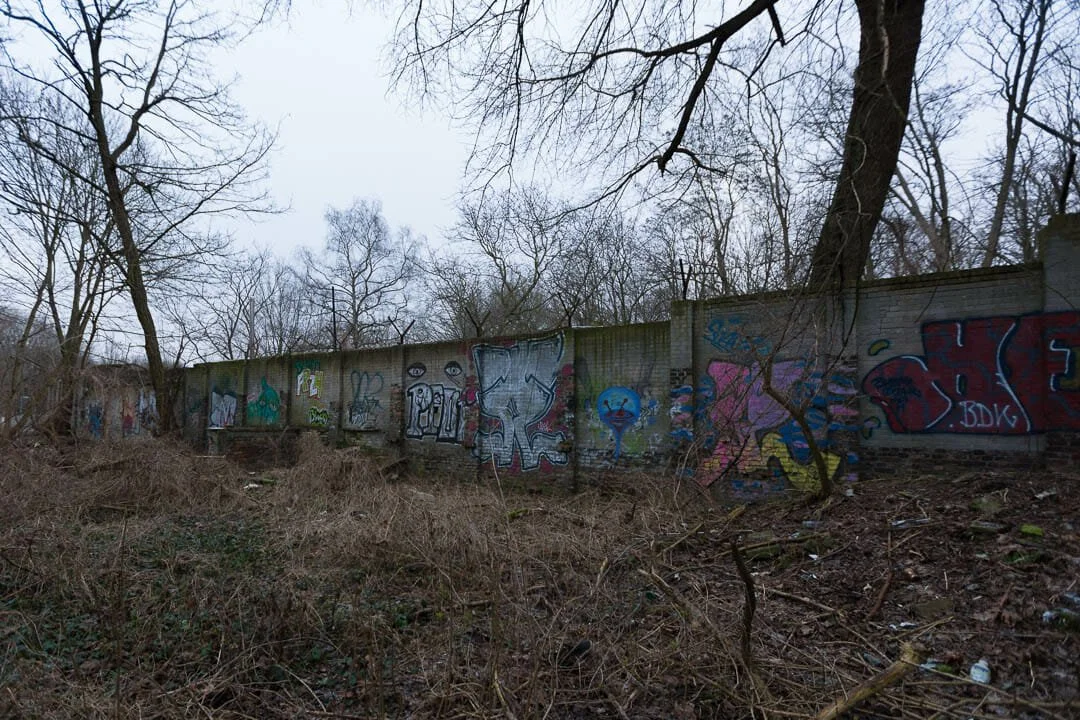
It was a "small sensation" to find 80 meters of the original Berlin Wall among a bunch of secretive trees that imagined they could keep it hidden forever.
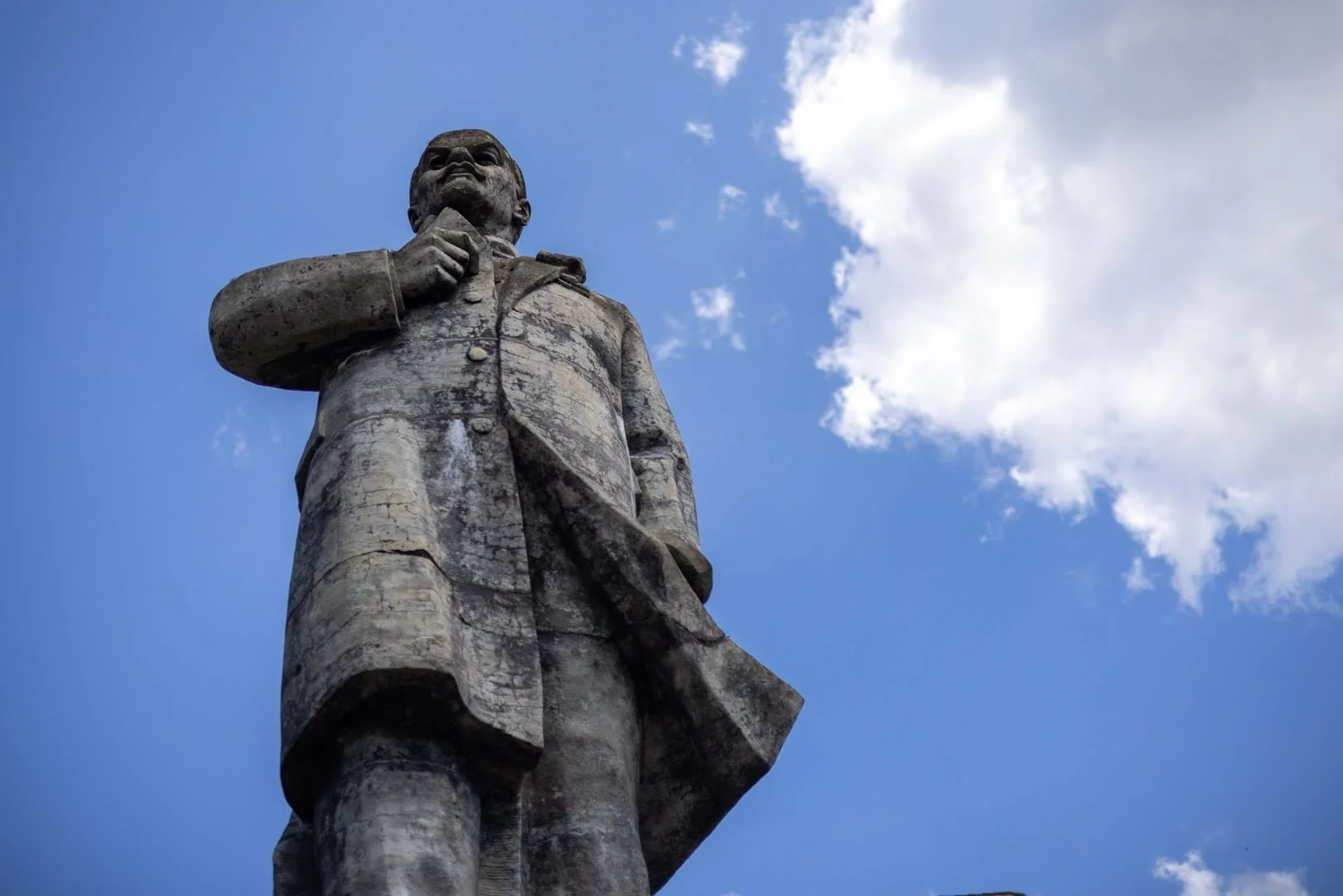
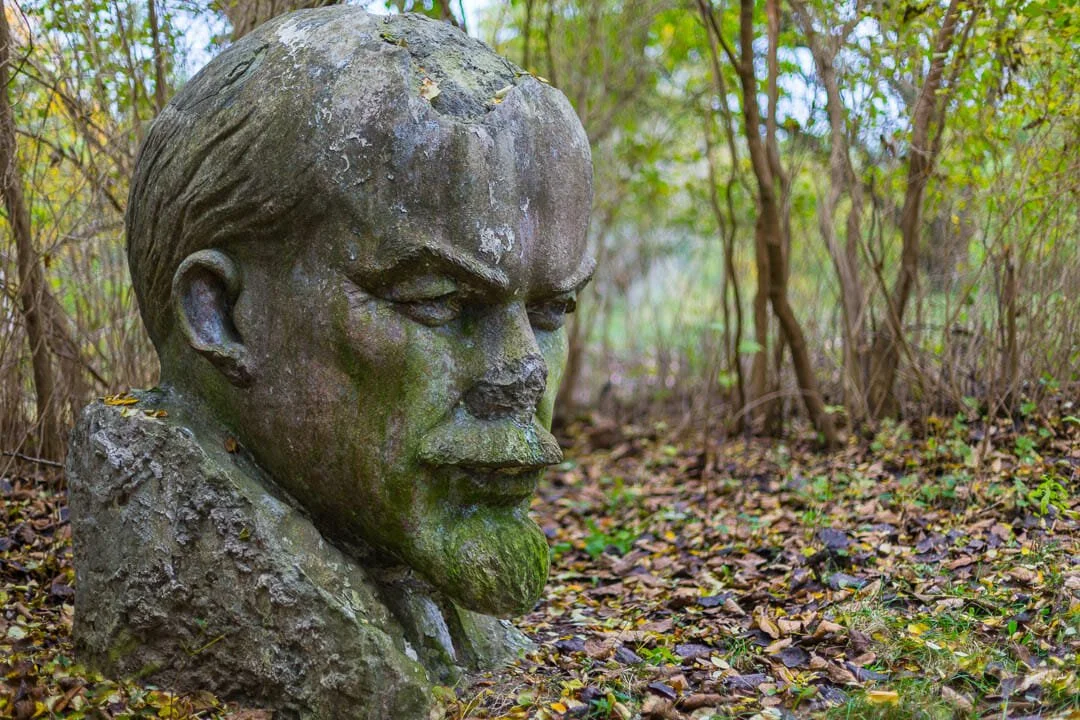
Years after he first visited, Lenin’s Soviet comrades brought him back to Germany for what they thought was a long haul. He still lingers in Fürstenberg.
The Olympic Games used to be the toast of the world. Berlin’s Olympics in 1936 were the most captivating games of all, albeit for all the wrong reasons.
Flugplatz Rangsdorf was the airfield from which Schenk Graf von Stauffenberg flew off with a bomb for Hitler as part of the unsuccessful July 20 plot.
Königin-Elisabeth-Hospital saw better days, days when it used to care. Don’t bother expecting treatment now unless you need a roof falling on your head.
Horrific experiments on concentration camp prisoners were carried out at Heilstätten Hohenlychen, formerly a complex of sanatoriums, then military hospital.
Sperenberg was considered the ideal site for Berlin's long overdue shiny new airport until the powers-that-be opted to build it beside Schönefeld instead.
Before the Soviets took over, Bernau's Panzer Kaserne was dedicated to the Nazis’ Heeresbekleidungsamt, which made or repaired Wehrmacht soldiers' uniforms.
Bernau’s Heeresbekleidungsamt or “Army Clothing Agency” was where the Nazis had uniforms made for the war effort. No running around in rags for these guys.
Hitler and Honecker were among Beelitz-Heilstätten's famous patients. The former TB sanatorium became the largest Soviet military hospital outside the USSR.
In the DDR's final days, Volkspolizei and Stasi officers arrested protestors and brought them to this police barracks in Blankenburg to brutally beat them.
Kraftwerk Vogelsang is a powerless power plant. People gave their lives building it and fighting over it. Now that they’re gone, nobody wants it at all.