
Transport
Places that were formerly used for transport purposes.
Featured








Places that were formerly used for transport purposes.
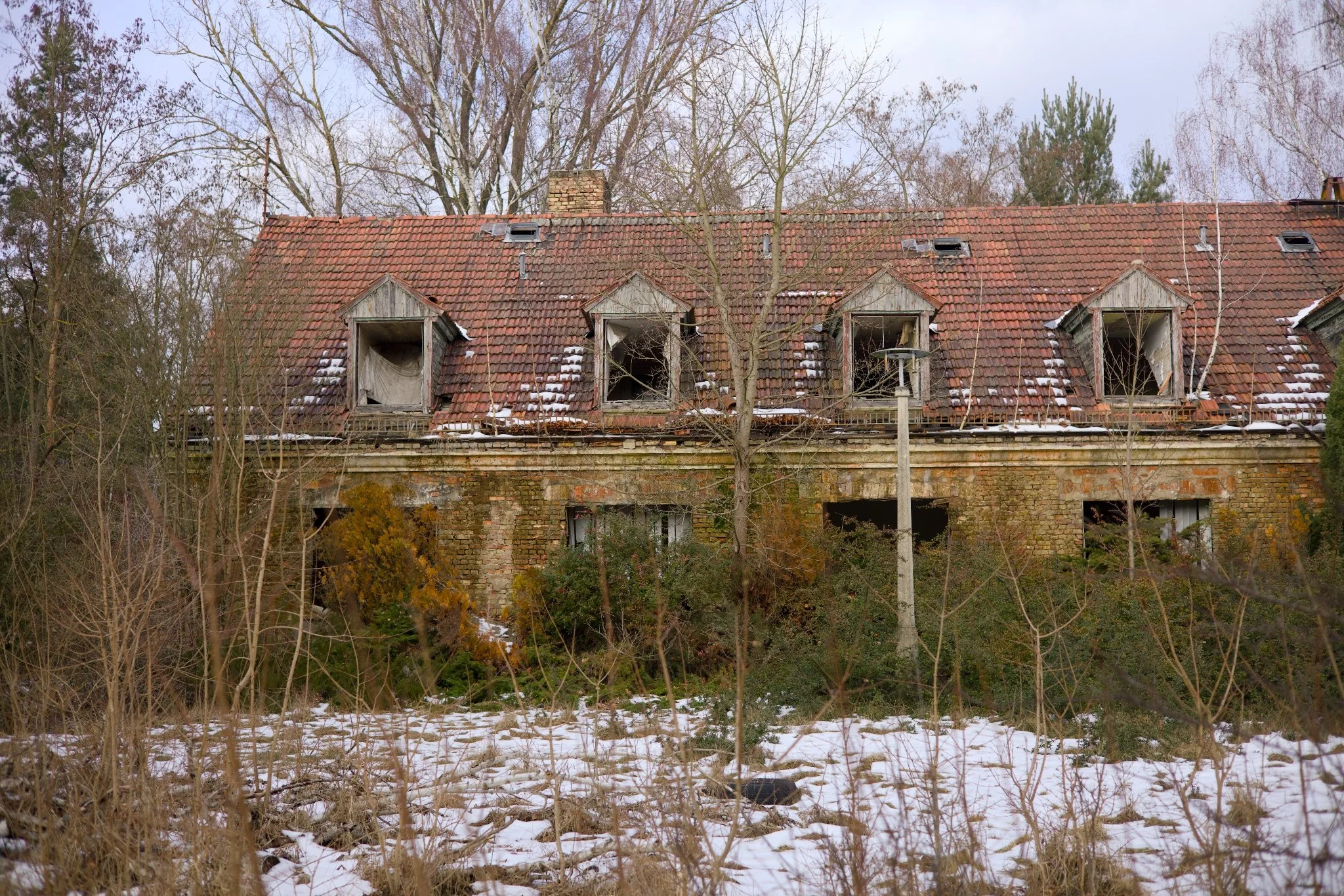
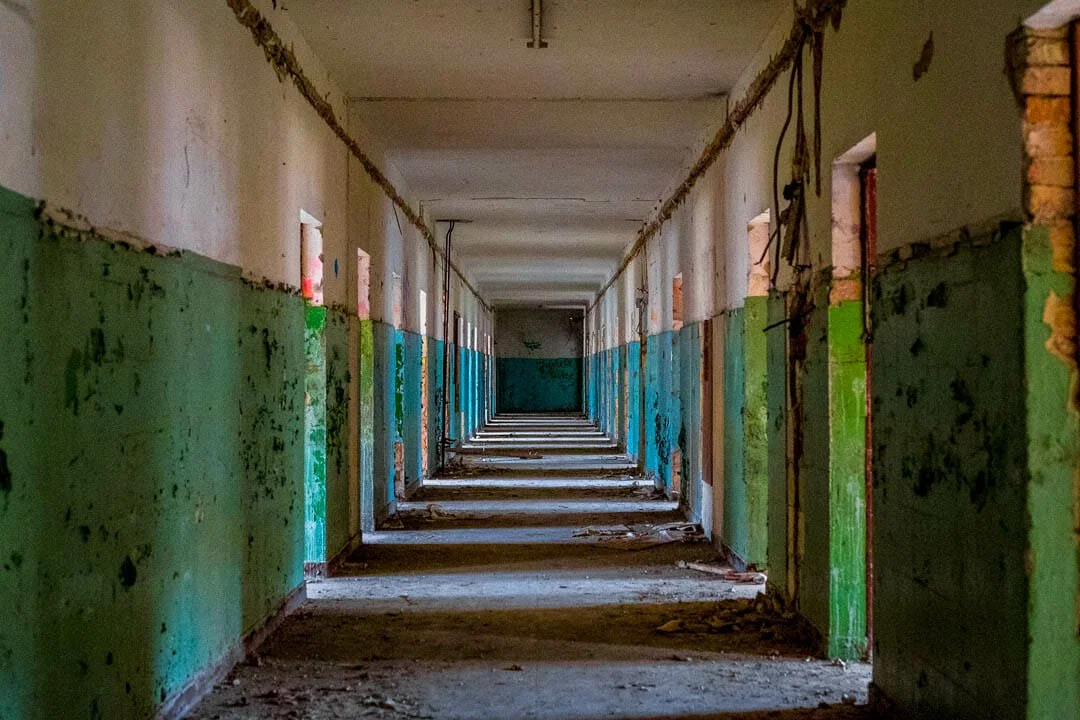
Pflegeheim Saalow, a nursing and retirement home, was lauded by the East German authorities for its exemplary treatment of the most vulnerable people in the DDR. Exemplary was horrific.
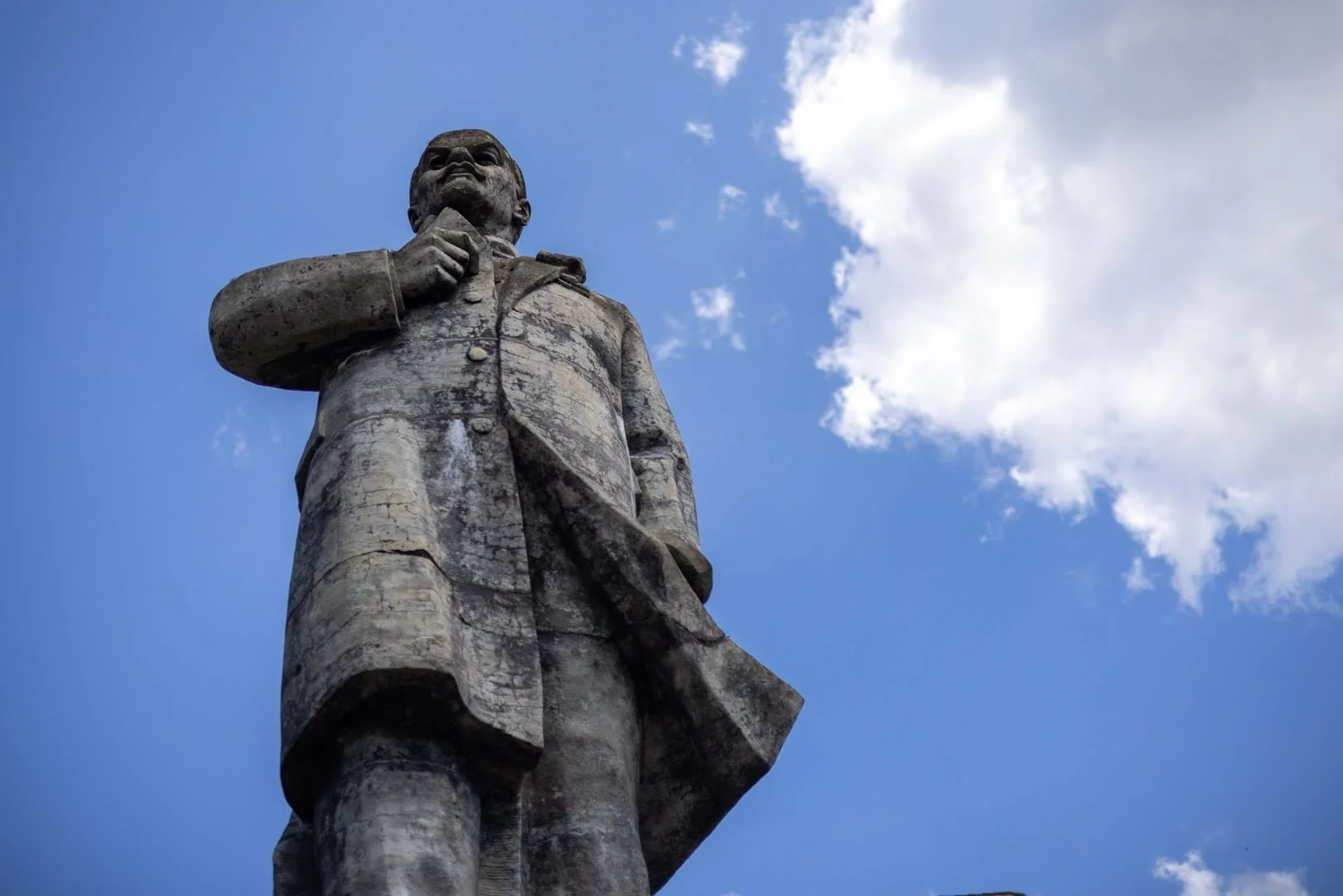
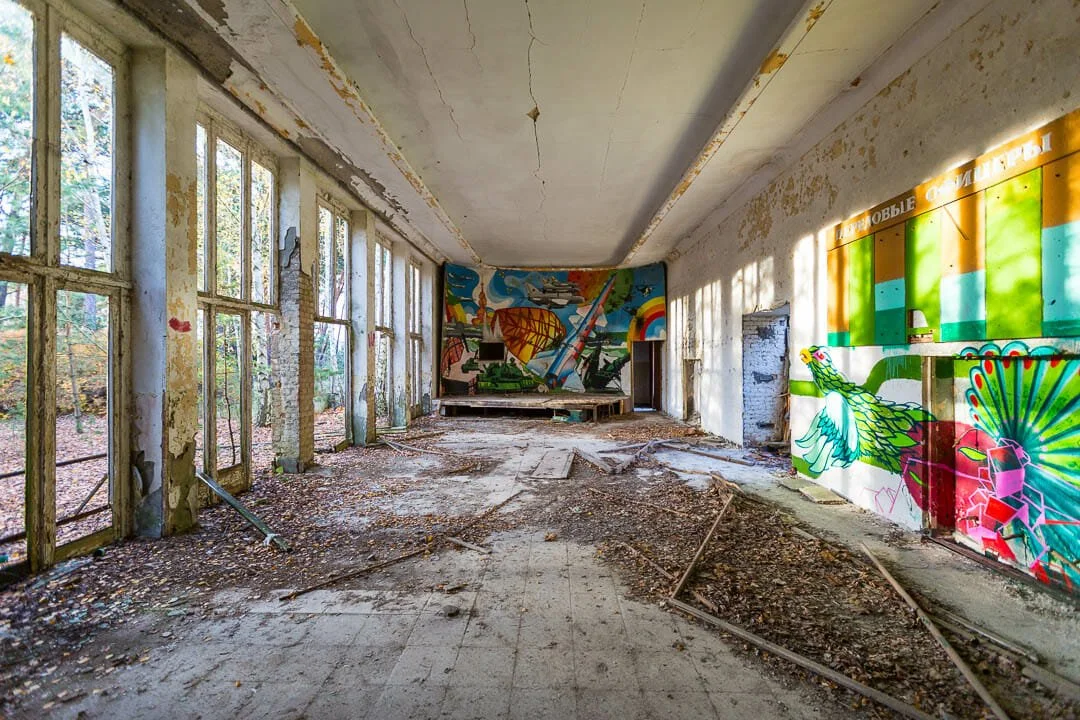
Pionierlager Klim Woroschilow had its heyday when East Germany still existed. The socialist state’s young and impressionable enjoyed summers of fun at the youth camp.
There’s a zombie hospital in Weißensee. It used to be for kids but they were all eaten, their brains gorged upon by the zombies that took their place.
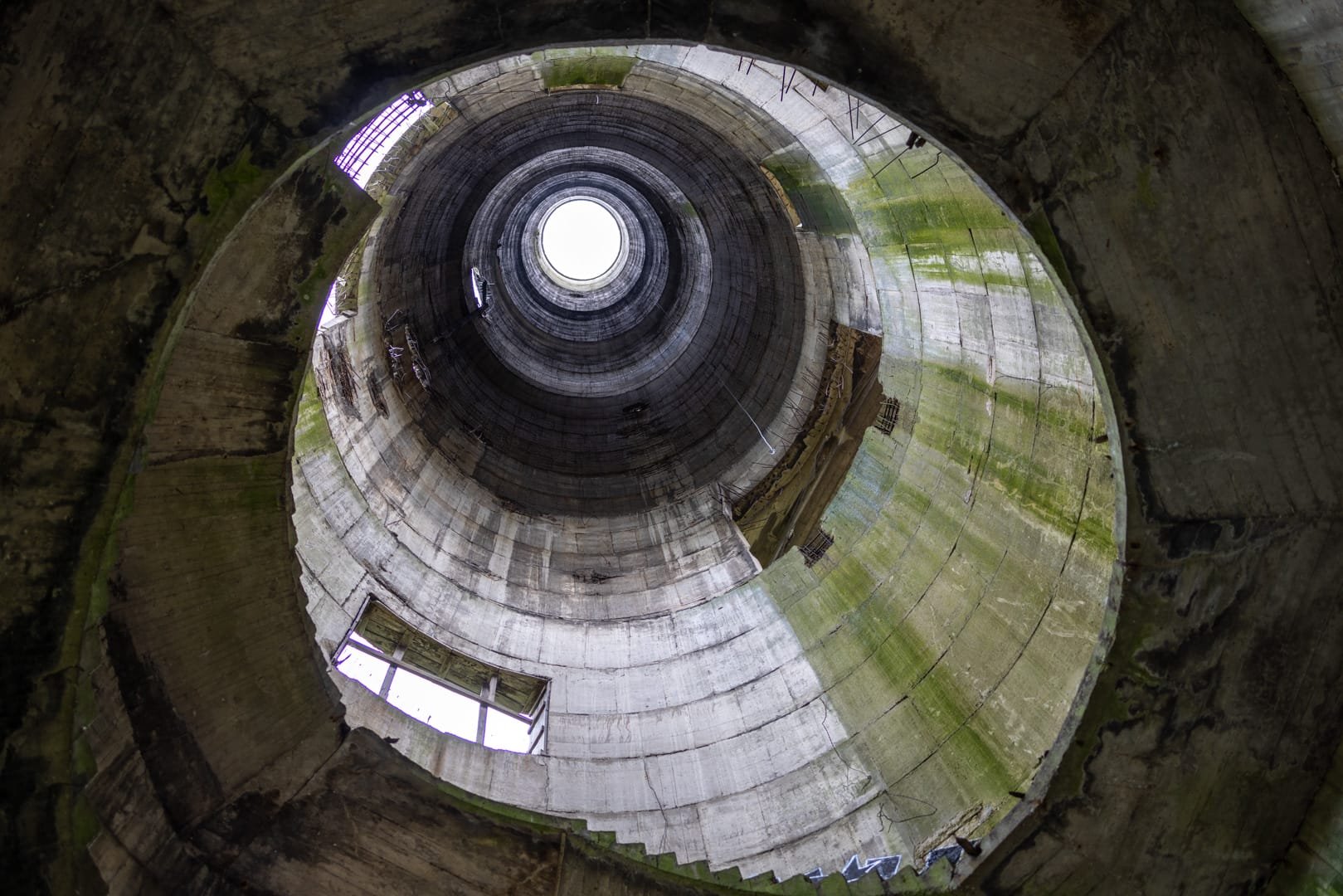
Kraftwerk Vogelsang is a powerless power plant. People gave their lives building it and fighting over it. Now that they’re gone, nobody wants it at all.
Wünsdorf was the Soviet military forces' HQ in Germany, Little Moscow, the Forbidden City. The Nazis used it before that for their underground army HQ.
Berlin’s “lion on the loose” has holed up at the abandoned Zambian embassy. She’s seeking asylum from the CDU. AB got an exclusive interview.
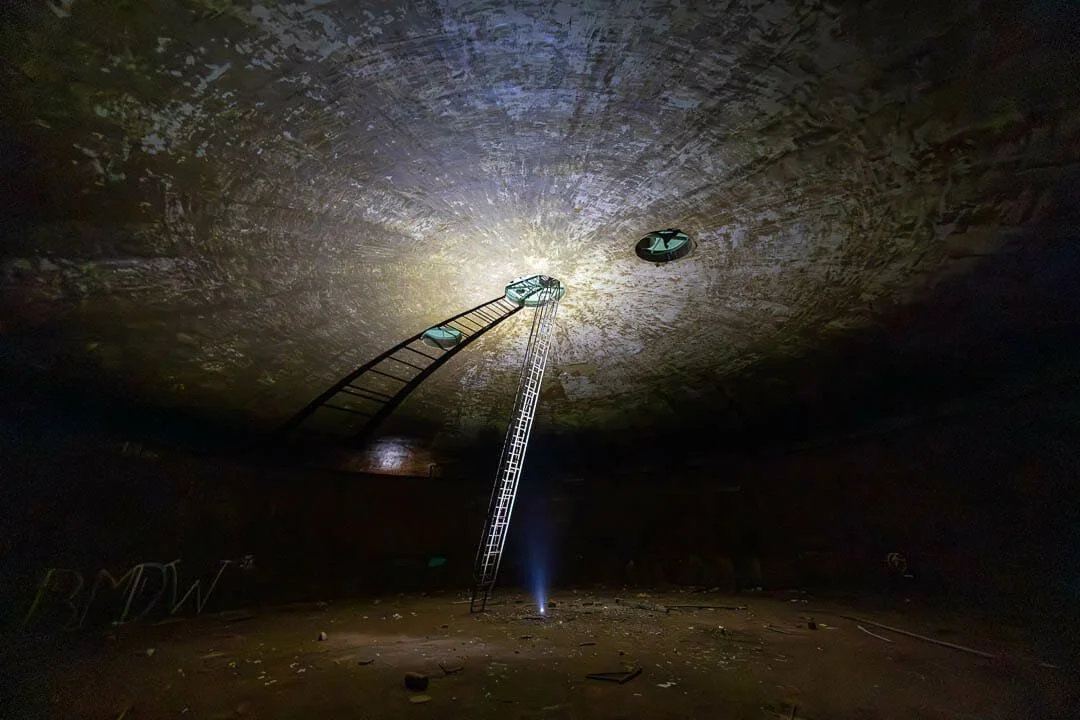
Niederlehme's Treib- und Schmierstofflager 44, aka TSL 44, was a former oil and fuel storage facility used by Nazi Germany, then East Germany’s armed forces.
Vogelsang still clings to its nuclear secrets. One sneaky deployment of bad weapons was so damned secret it was even kept from the Soviet soldiers involved.
Inside the belly of the beast. Refuse from East Germany’s first nuclear plant will continue to cast a threat long after the DDR itself was shut down.
They must have just left the Iraqi Embassy to the DDR with no notice. “We’re leaving. Pack your bags and get out!” The party at Saddam's house was over.
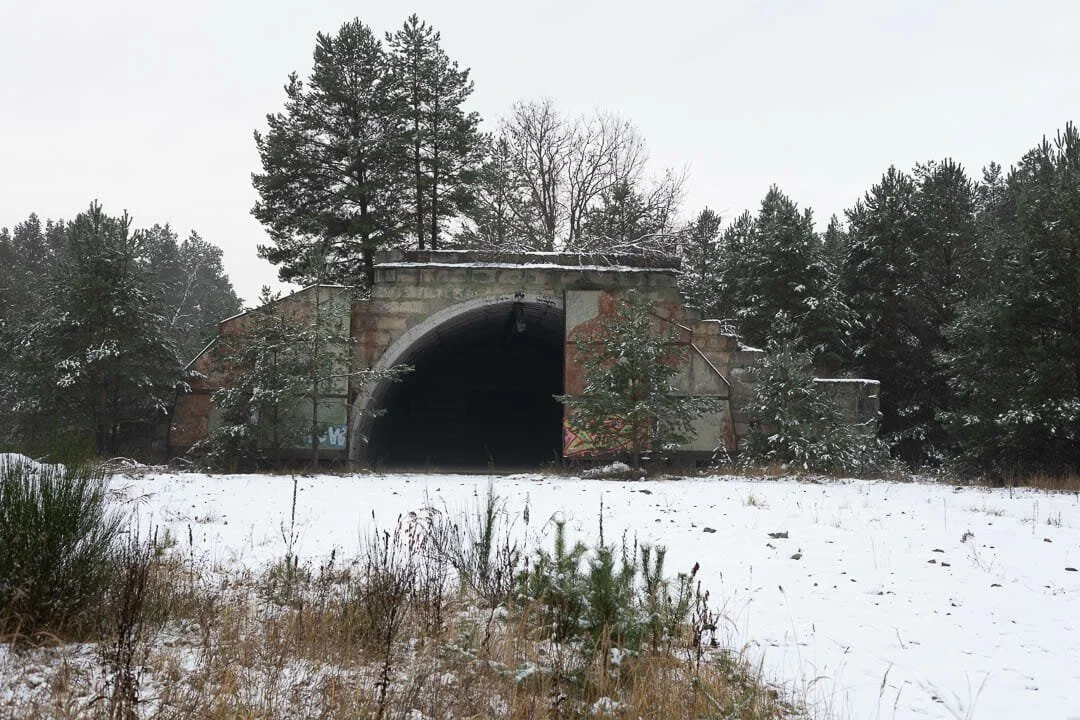
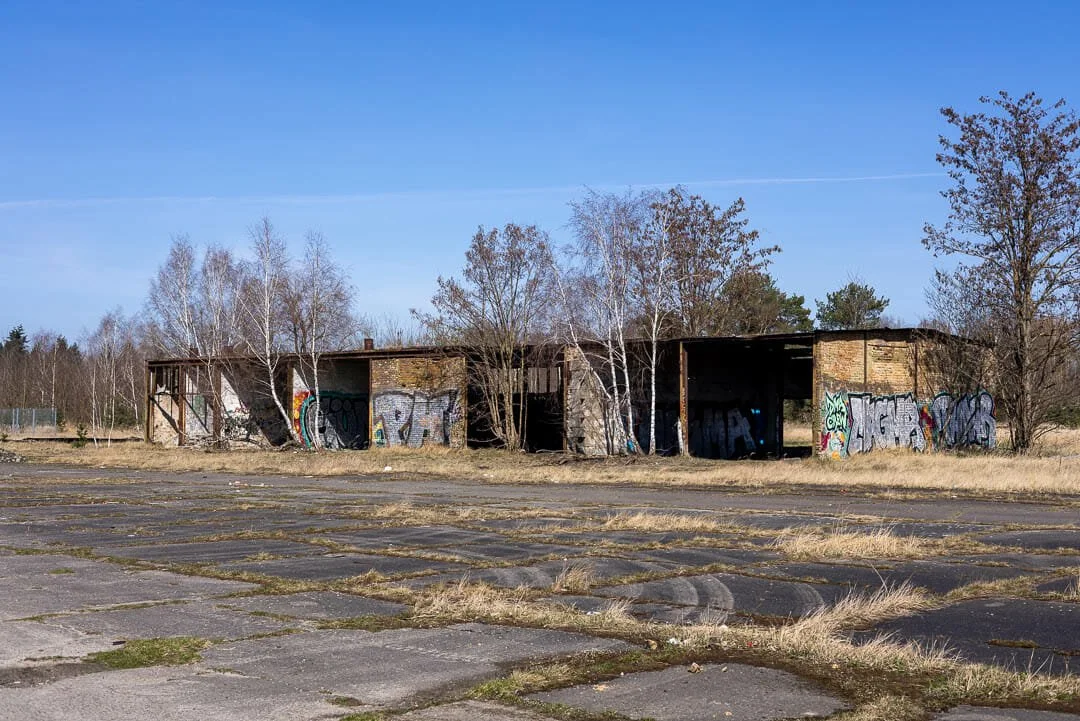
Germany's Luftwaffe used Flugplatz Schönwalde for the war. The Soviets took over afterward and left their traces after abandoning the airfield in 1992.
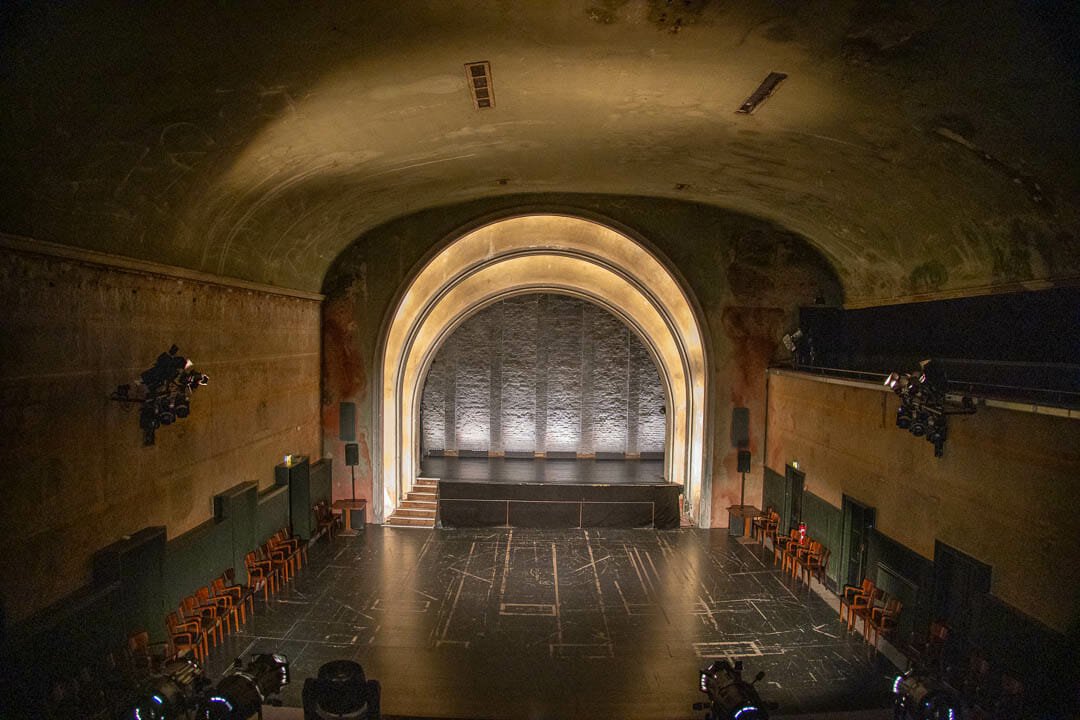
The 1920s Delphi silent film theater was reborn as the Moka Efti club in the Babylon Berlin television series, then it was silent once more.
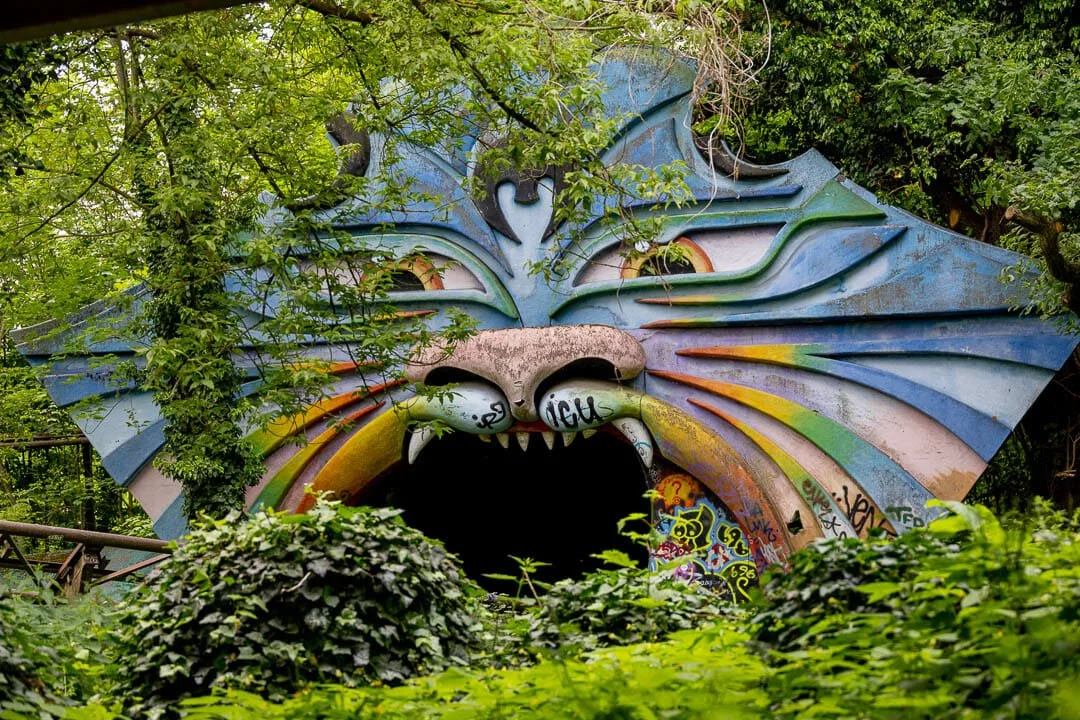
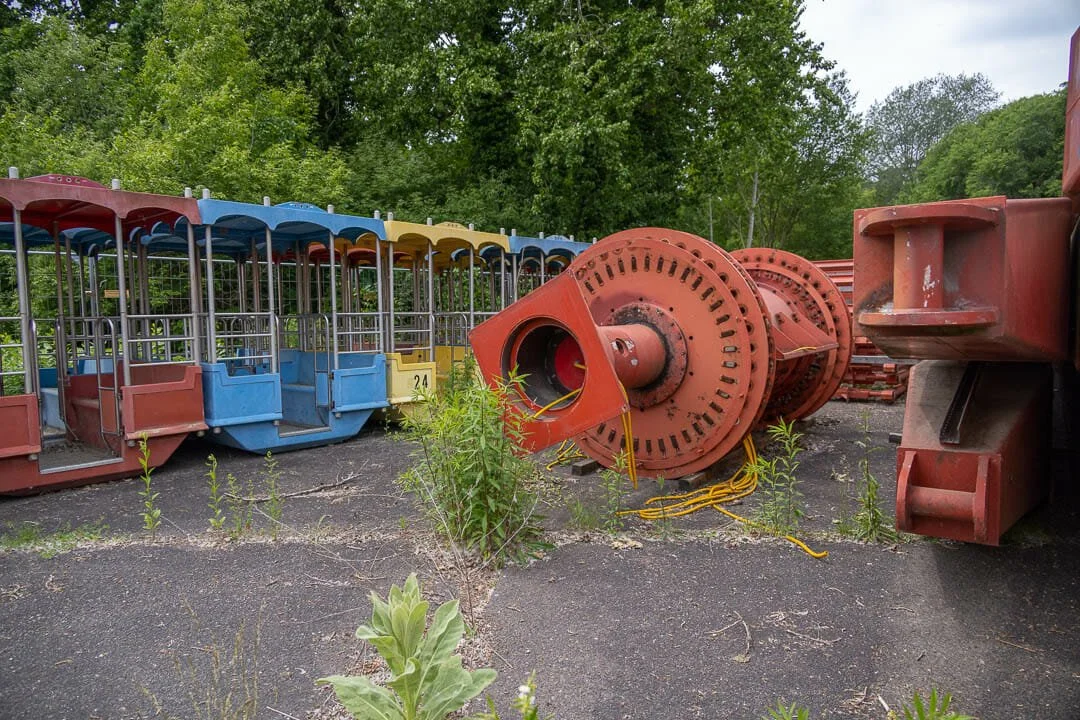
The rollercoaster story of East Germany's only full-time fun park, later called Spreepark, abandoned and left to rot with its dinosaurs in 2001.
Flugplatz Brand was strategically important for the Soviet Air Force. Thankfully its battalions of flying fighters remained on ice for the duration of the Cold War.
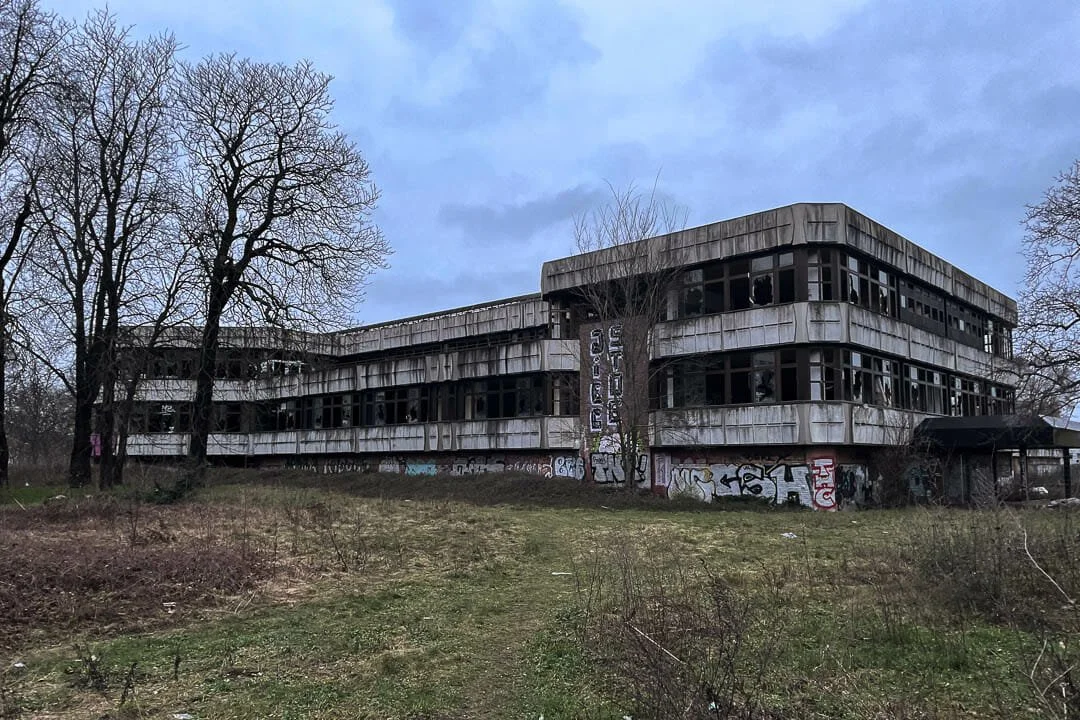
The Sporthotel und Kongresszentrum des Sportforums Hohenschönhausen is in a sorry state, beyond salvation, thrashed and abused. Not even drugs can help.
Hohenschönhausen's refugee homes, formerly living quarters for "guest workers" who helped build the DDR, don't welcome anyone anymore.
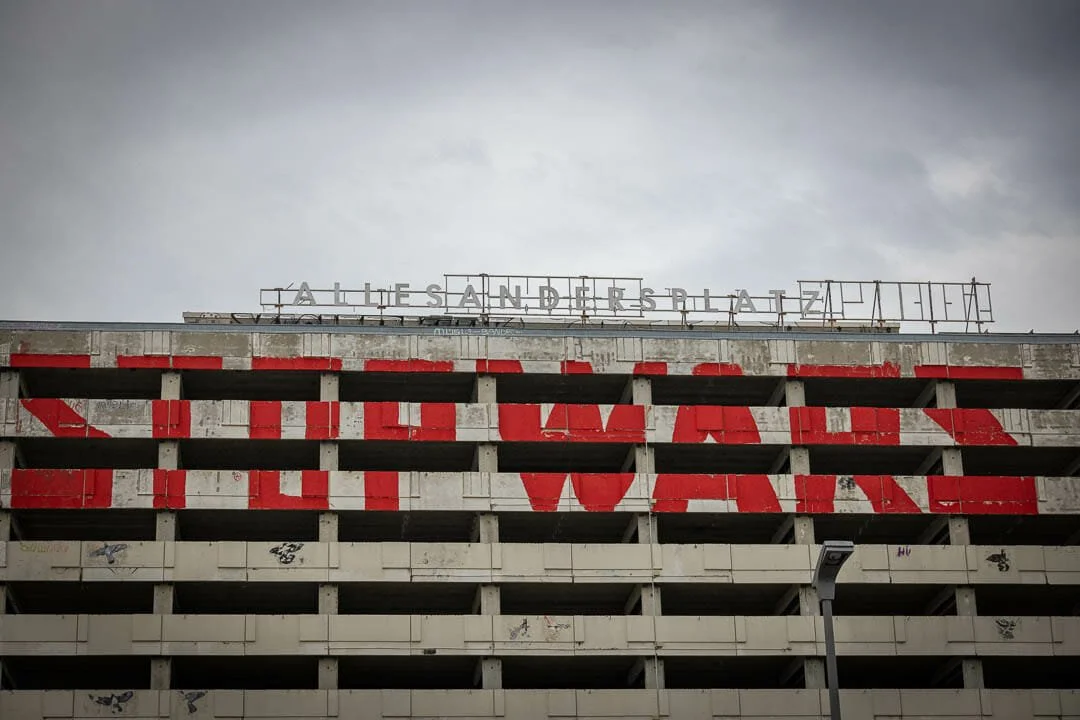
Haus der Statistik looms over Berlin's Alexanderplatz with STOP WARS across its bow in big red letters. The DDR's former statistics HQ is right to be angry.
East Germany checked out right before the Stasi could check in. Their hotel was never completed. Now it's just a great hulking ruin between the trees.
Spreepark is but a shell of what it once was. The city’s plans to refurbish the old fun park involve removing anything that might be fun.
Jüterbog and its military camps played host to soldiers’ charades, men playing with guns, for around 130 years before the last ones left in 1994.
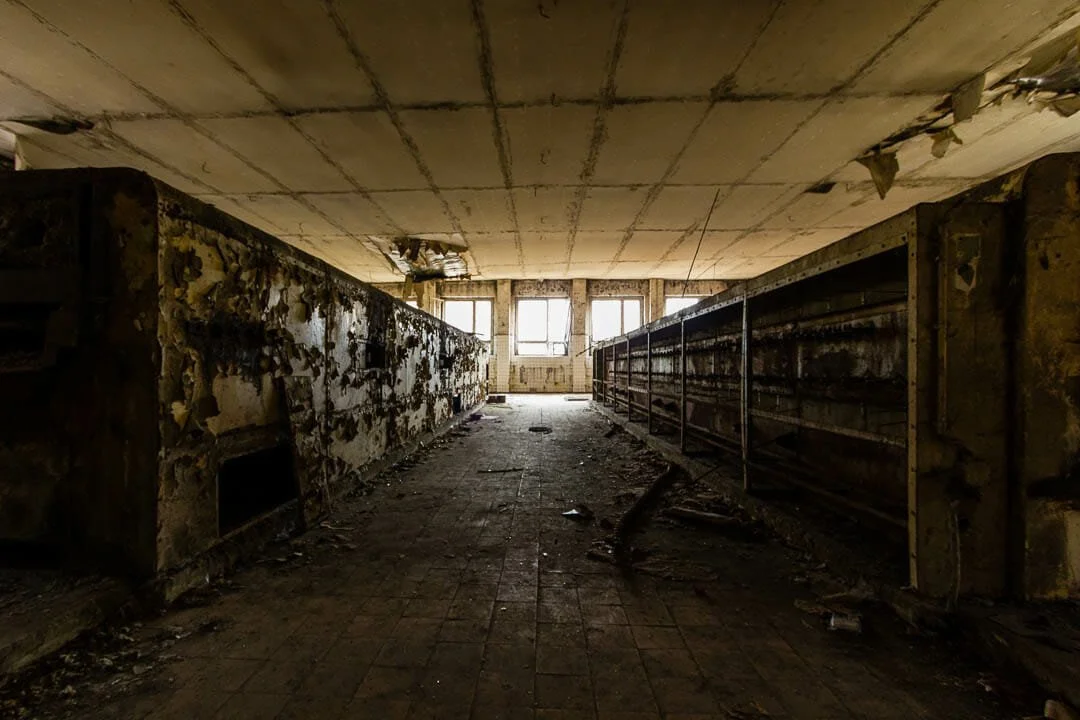
The SS Bakery only went bust when the Nazis did. They forced prisoners from nearby Sachsenhausen to make bread to keep other concentration camps going.
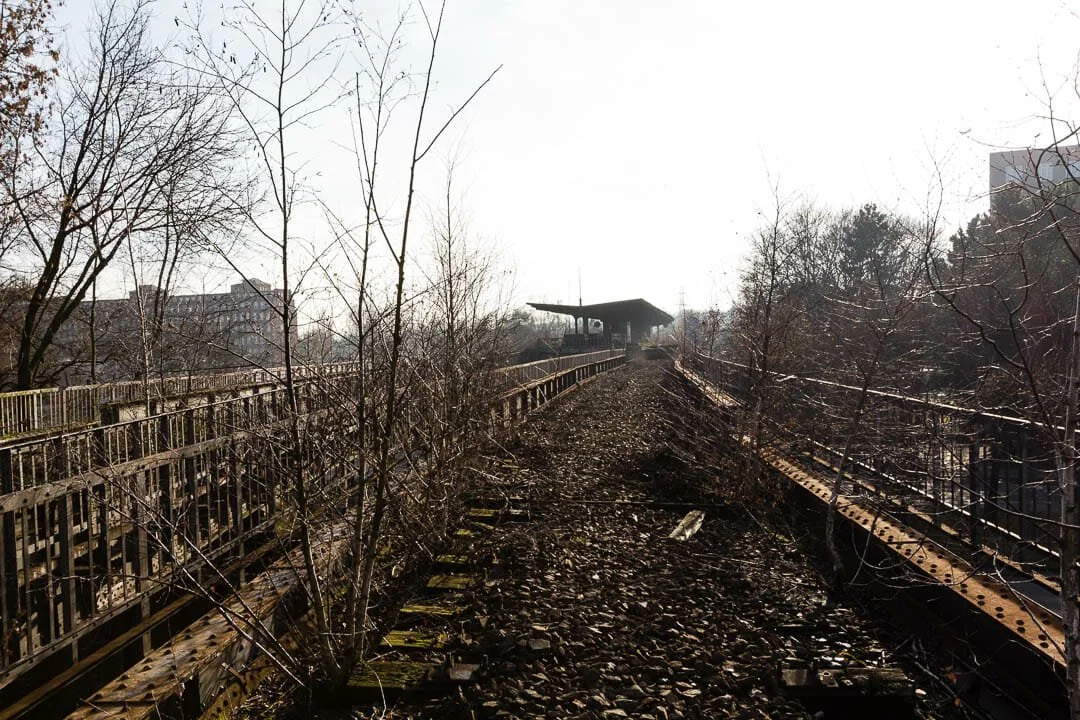
No trains have trundled the Siemensbahn railway line since 1980, not since it was abandoned due to a strike, dwindling passengers and an upstart U-Bahn.
Flugplatz Oranienburg served in the summer of 1944 as a test center for the legendary Horten Ho IX, the world’s first “stealth” bomber.
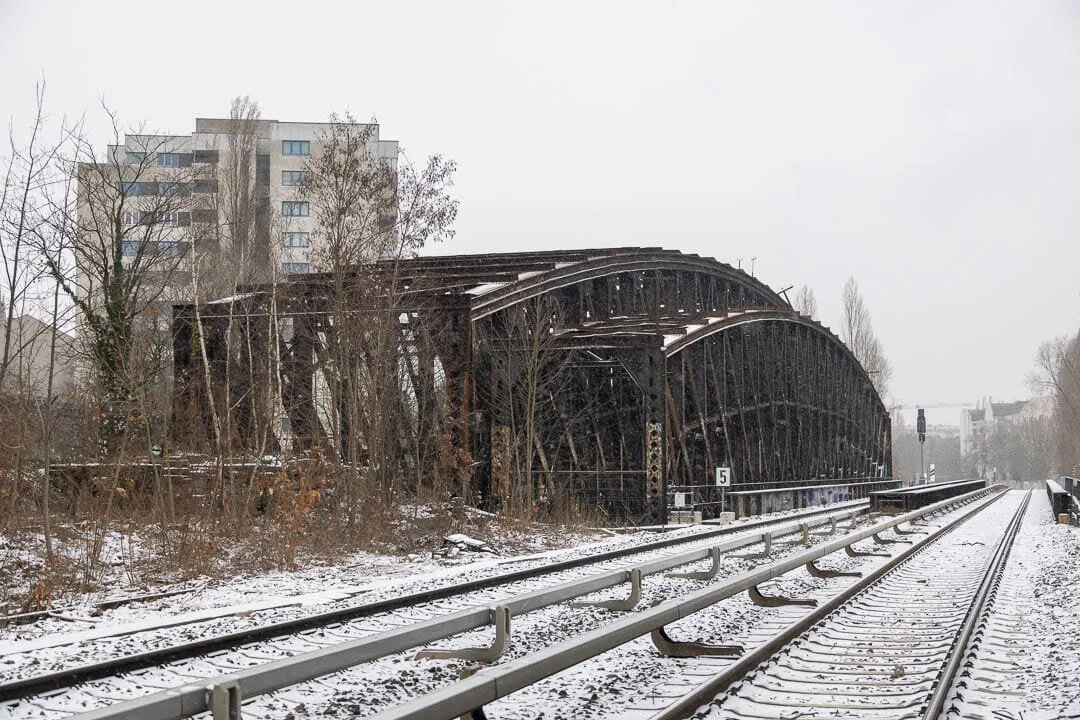
The Liesenbrücken, fine industrial iron bridges built by the Prussian state railway operator, have been abandoned for almost 70 years.
The Stasi spy station Quelle 1 in Rhinow tapped fiber cable going from West Berlin 250km across the DDR to enemy state West Germany. Sneaky.
Garbáty's Zigarettenfabrik was brought to its knees by Nazi persecution. East Germany appropriated the cigarette factory till that ended too.
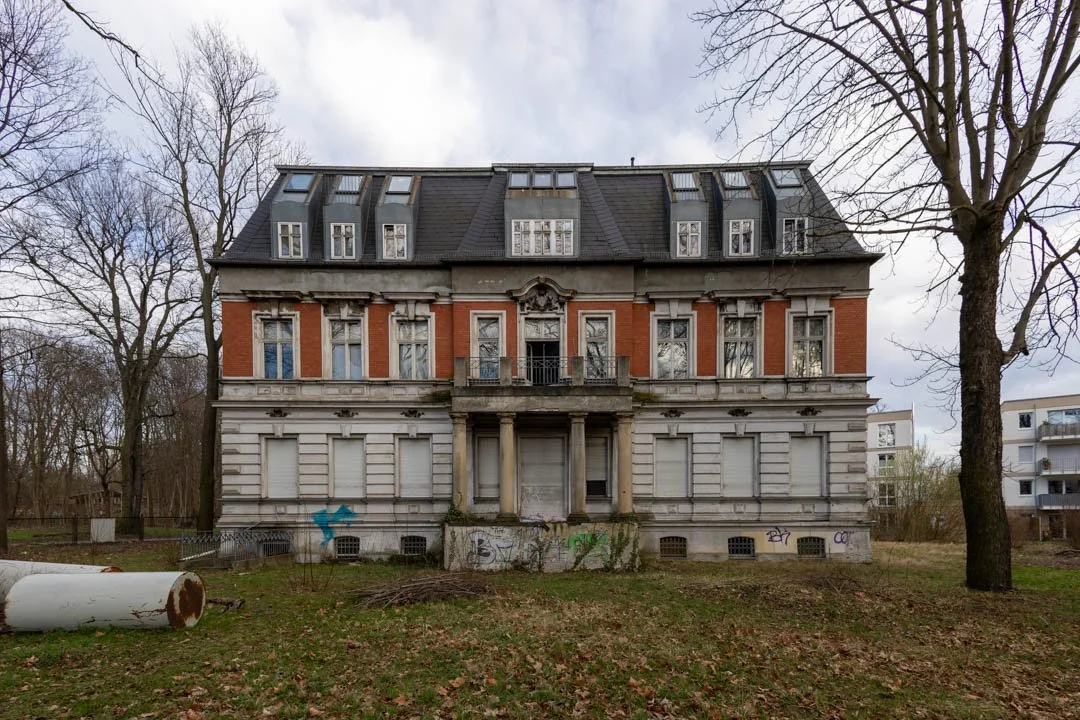
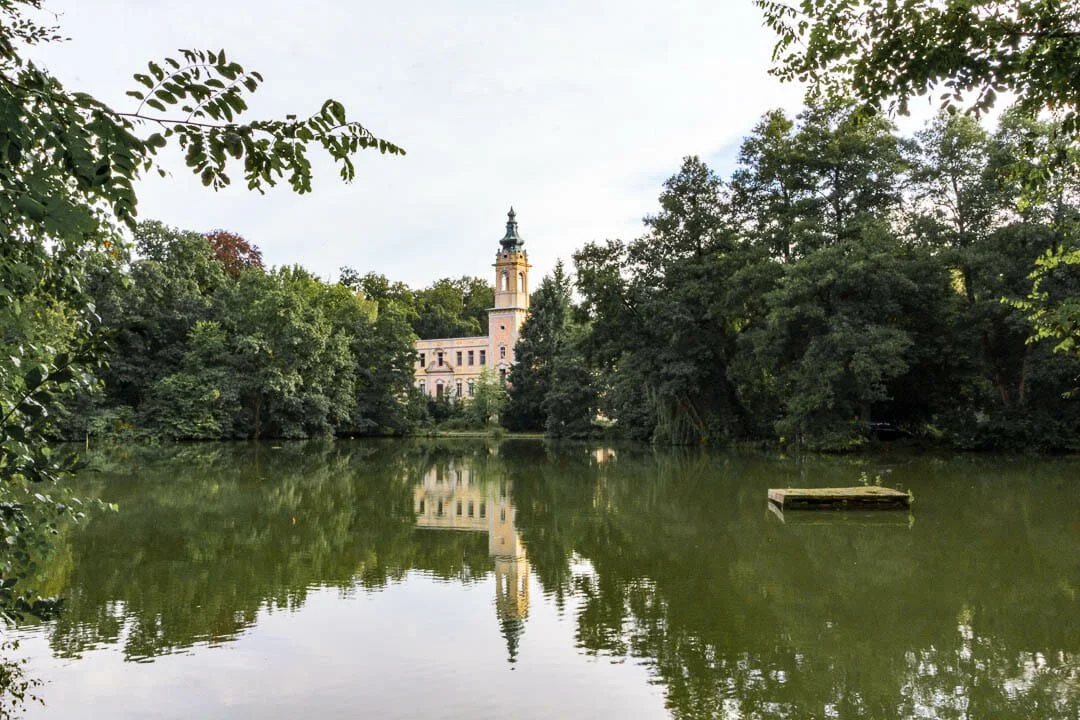
Schloß Dammsmühle was a playground for more unsavory types than you could shake a stick at, from Nazis to Stasi officers. Now there are plans to revive it.
One of the world’s first motor airfields when it opened in 1909. People used to flock to Flugplatz Johannisthal to see marvelous metal machines with wings actually fly.
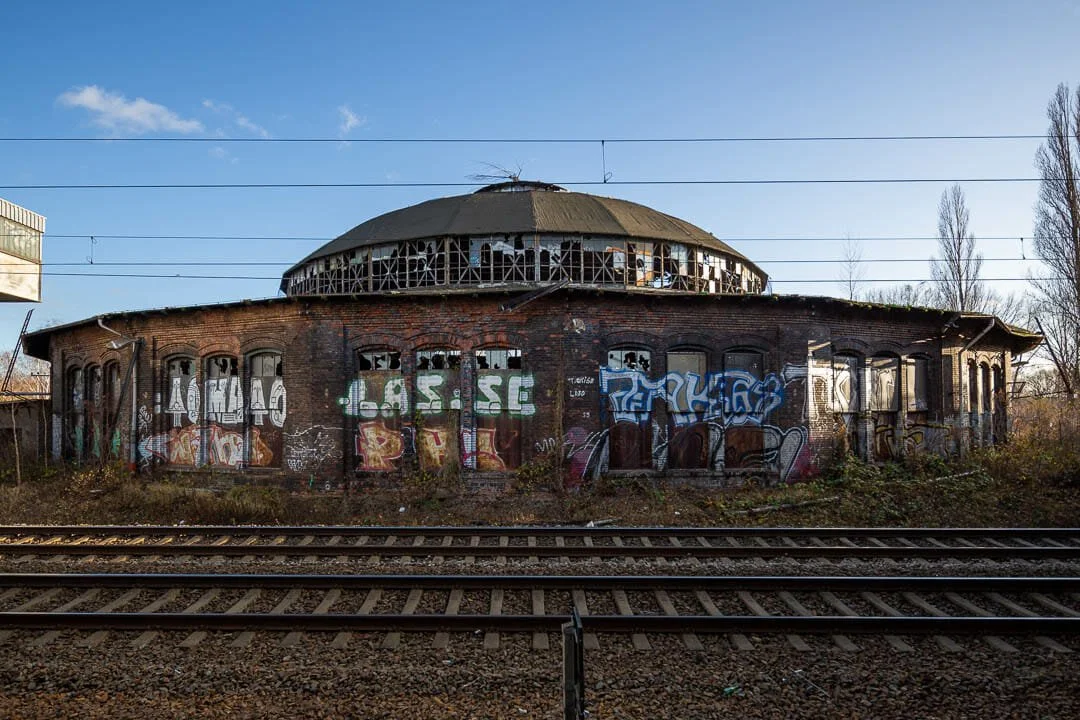
Former railroad yard in Pankow with two train turntables that used to handle up to 1,800 freight cars a day. Now it handles none. But that's progress.
The Stasi watchtower in Weißensee overlooks a derelict building that hides a dirty secret in its basement – this is where the Stasi had a shooting range for target practice.