West Berlin
It used to be half of the city but the fall of the Berlin Wall means it doesn't exist anymore. If there's no East Germany, there's no West Berlin. All we can do now is pine for the past among its abandoned wastelands...
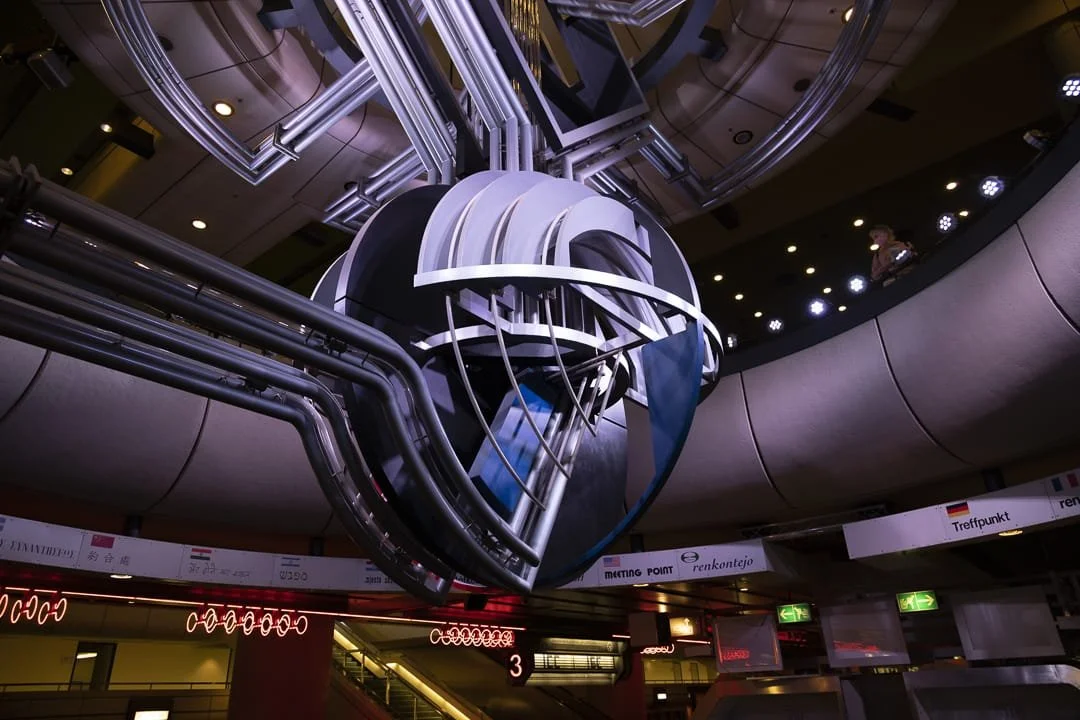
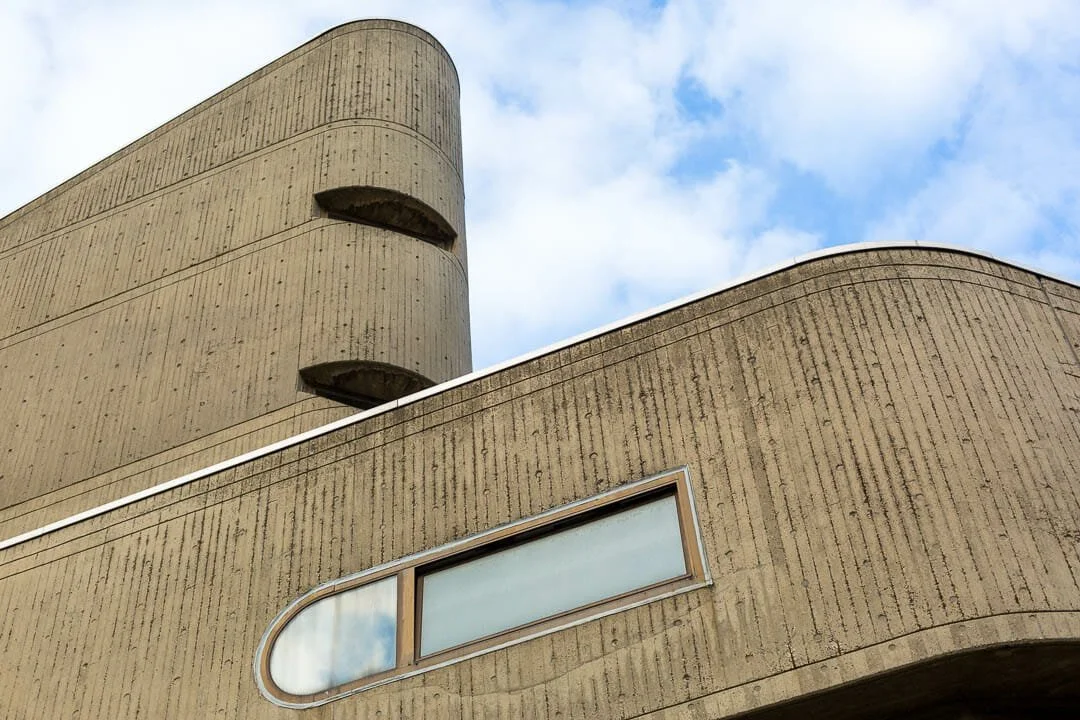
Maybe the brutaliest brutalist behemoth of them all, the International Congress Center (ICC) is a giant space slug waiting for the day it can go home.
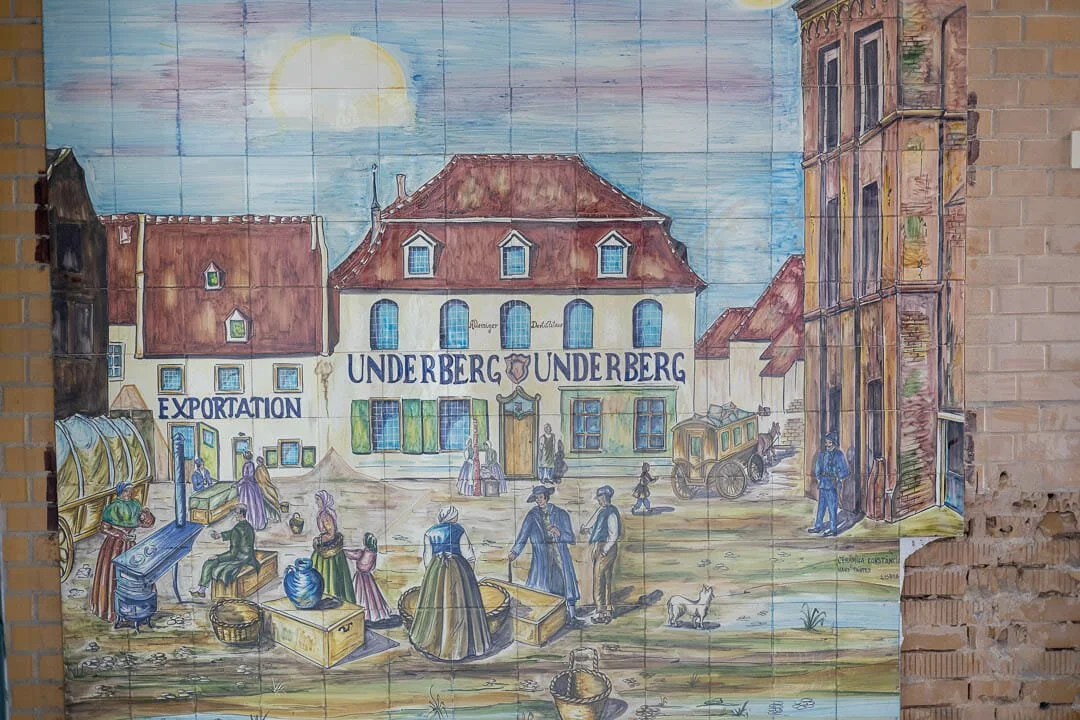
Security was tight in the Underberg herbal rotgut distillery as they thought only five humans knew the secret recipe. Now the secret’s out.
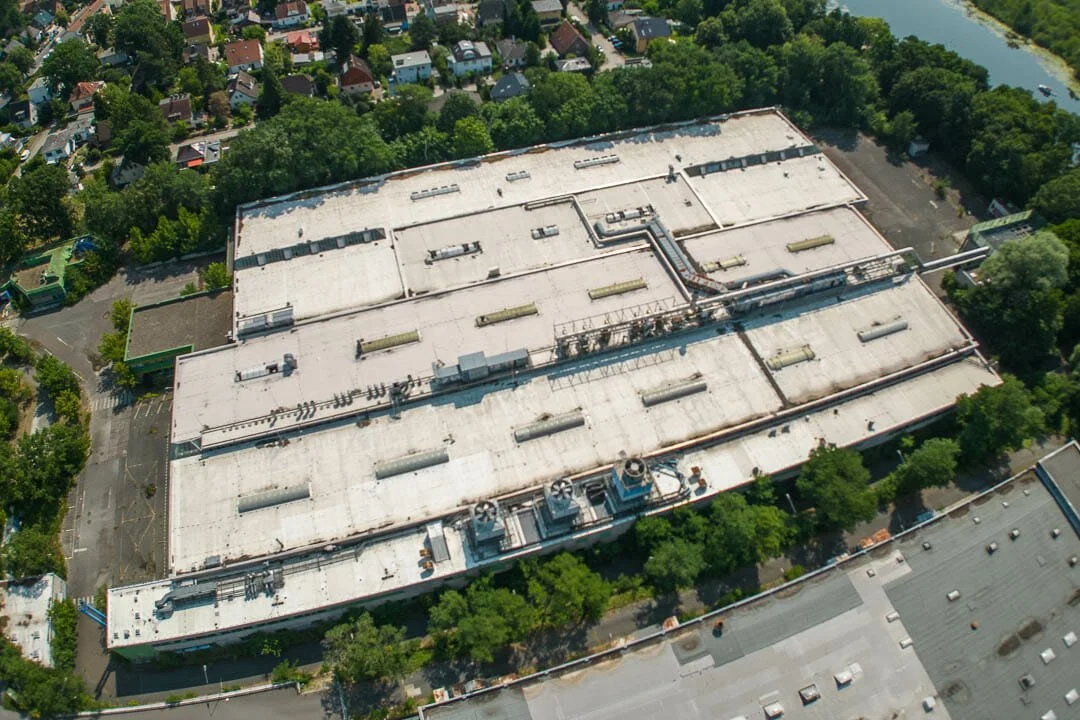
Glass milk bottles are rejoicing with schadenfreude after learning of Tetra Pak’s fate. The packaging giant abandoned its factory in Heiligensee in 2013.
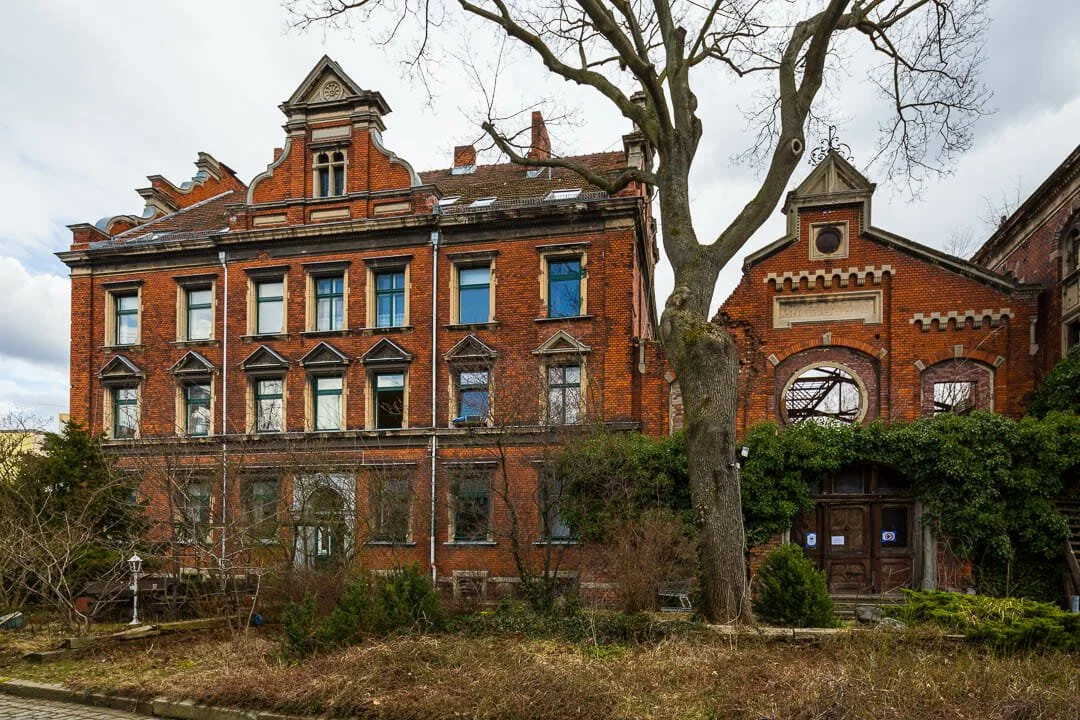
Two houses and a cinema clung to life in Waidmanslust, fighting loneliness with earthly possessions before they too went their inevitable way.
West Berlin's lifeline during the Soviet Blockade, Tempelhof Airport has since become the city’s biggest park. Berliners will fight to keep it that way.
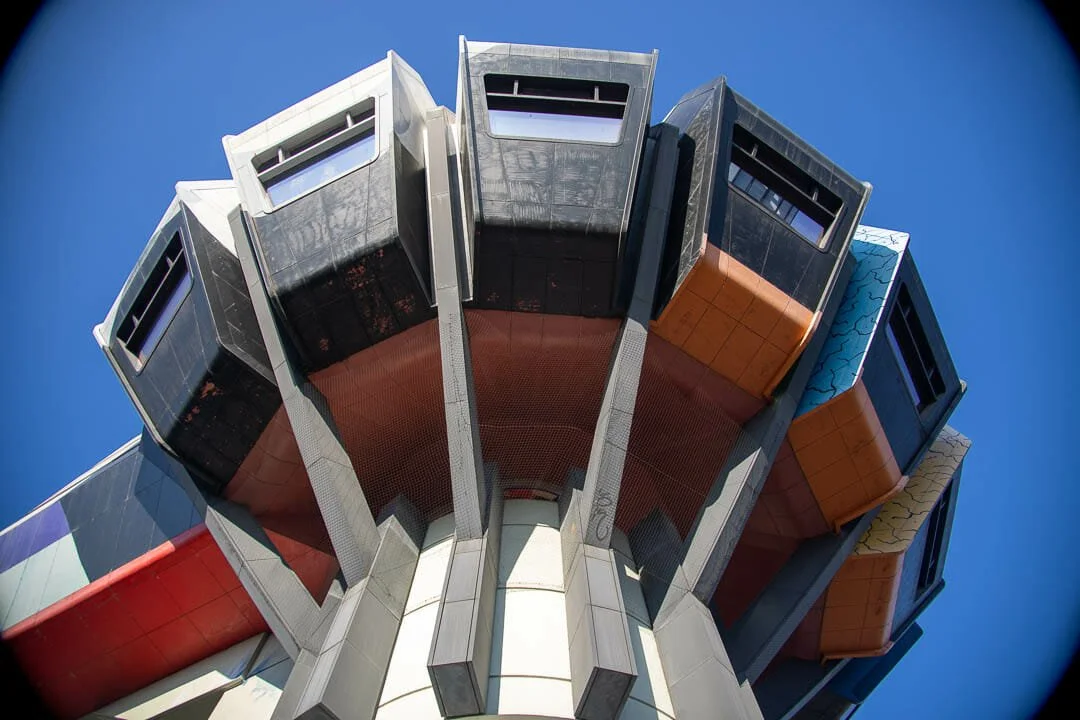
Perhaps the weirdest of Berlin’s buildings, abandoned or not, is the hideously attractive Bierpinsel in Steglitz. It sticks out like a walrus in a tutu.
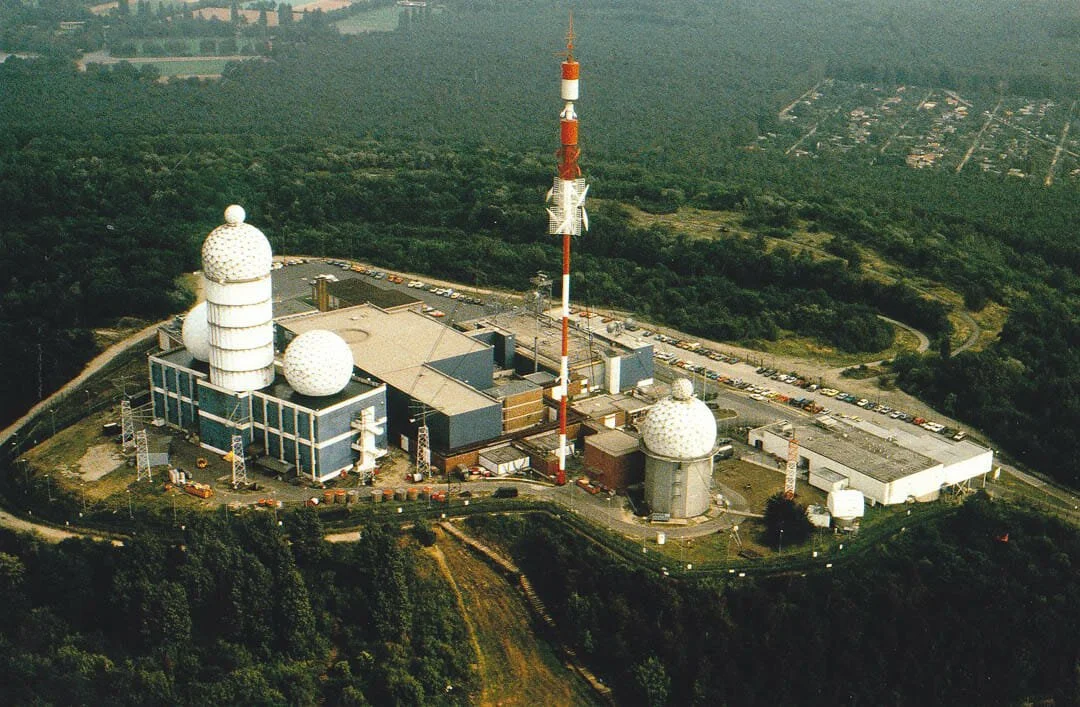
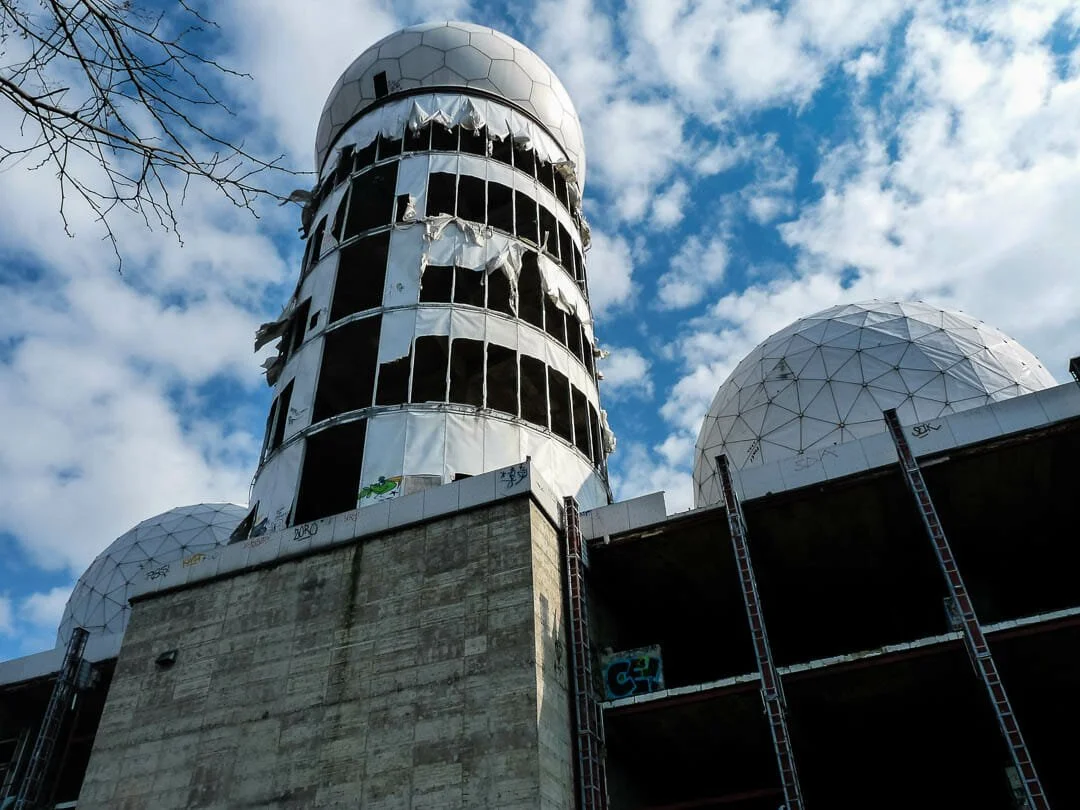
The abandoned NSA Field Station from the frontline of the Cold War, used to spy on Soviet-controlled East Germany on the other side of the Berlin Wall.
The Kladow casino enjoyed its heyday in the 1950s. Now it's just a shell languishing near the shore of the Havel. But some people are gambling on it opening again one day.
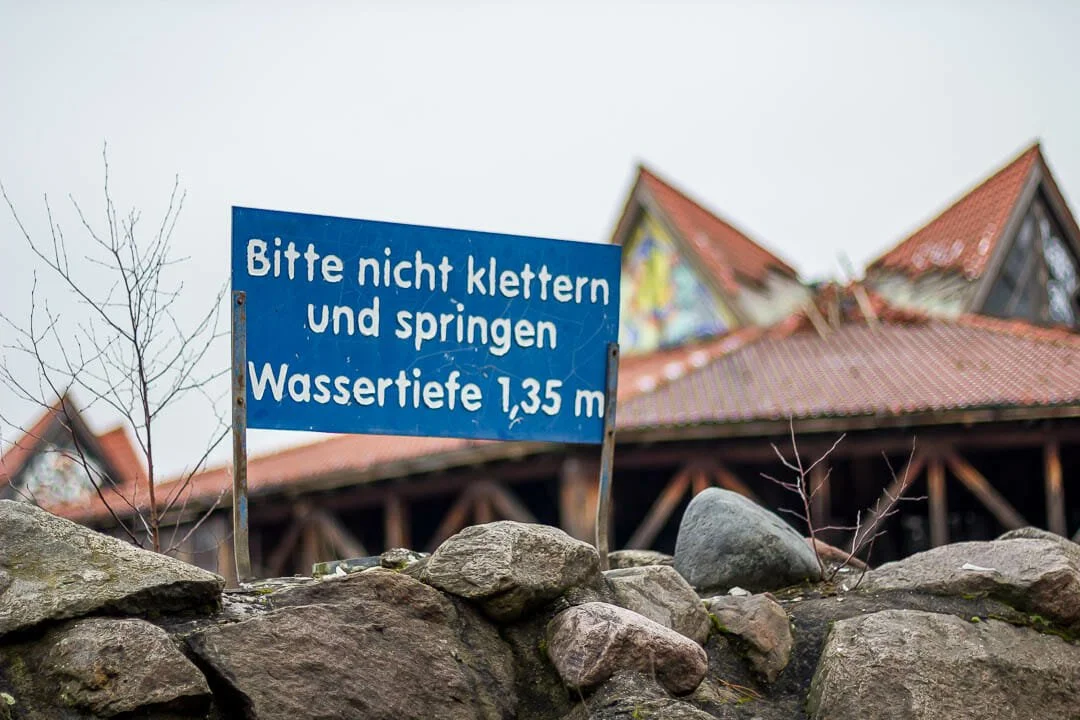
Blub was a swimming and leisure center with pools, slides and crazy stuff that was very popular before the rats noticed it too. Then it was a blubbering mess.
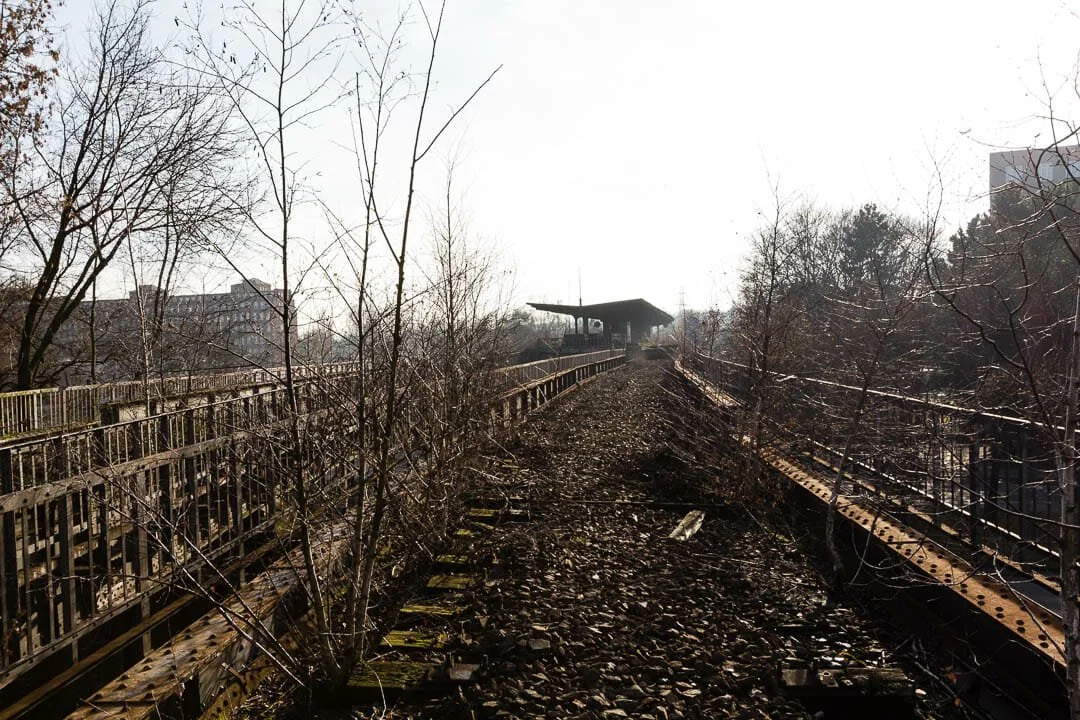
No trains have trundled the Siemensbahn railway line since 1980, not since it was abandoned due to a strike, dwindling passengers and an upstart U-Bahn.
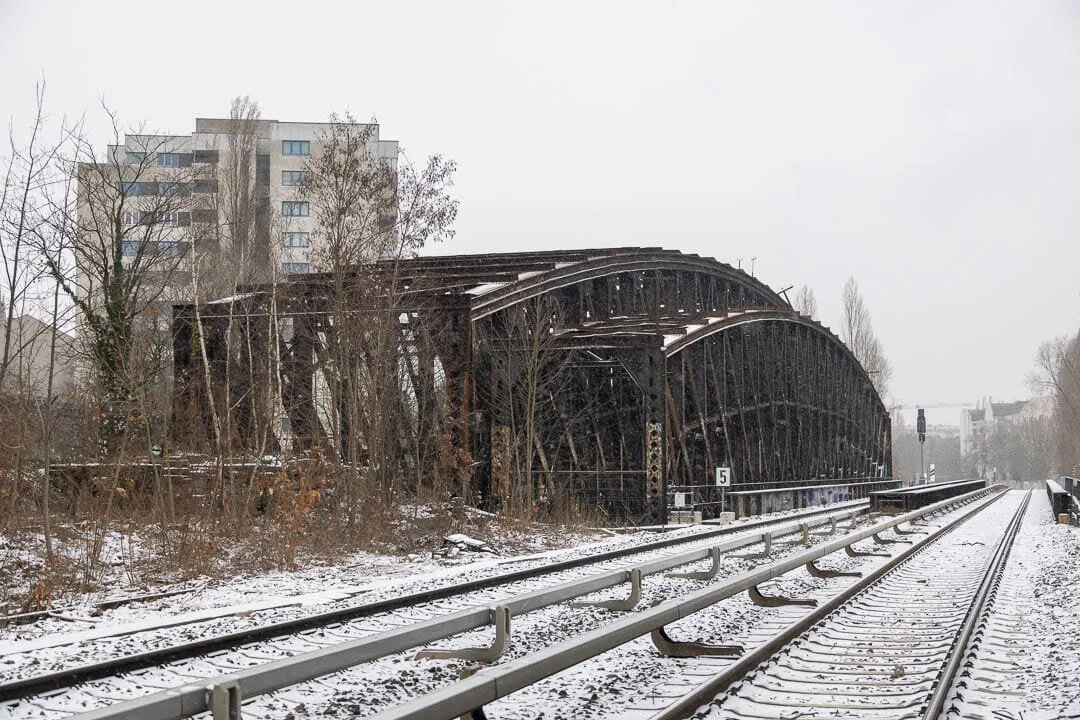
The Liesenbrücken, fine industrial iron bridges built by the Prussian state railway operator, have been abandoned for almost 70 years.
The Hygiene Institute is a brutalist architectural marvel. Its twisted forms allude to the work carried out inside the research facility.
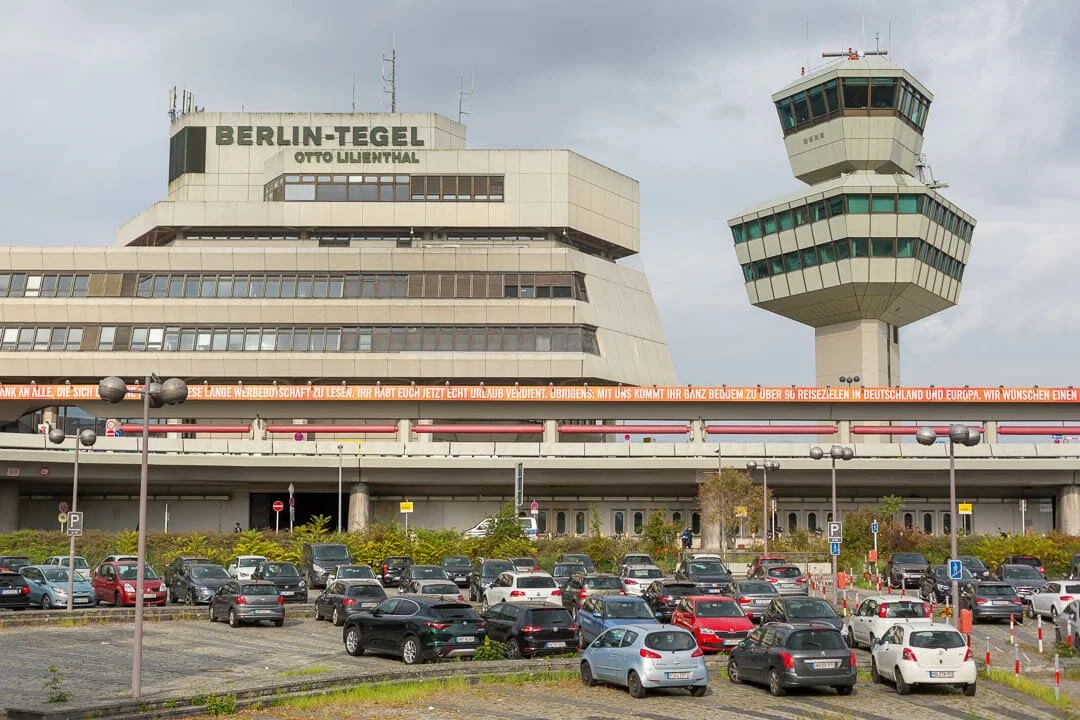
Tegel Airport (TXL), was formerly Germany’s fourth busiest airport with more than 24 million passengers in 2019. Abandoned Nov. 8, 2020.
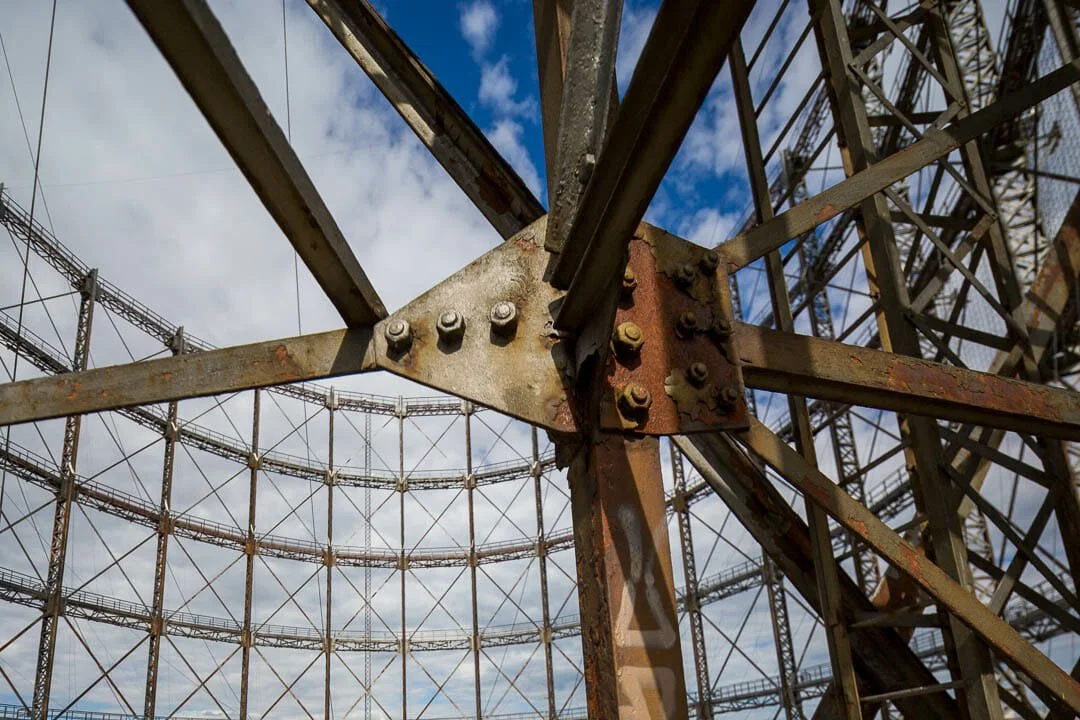
The Schöneberg Gasometer looms 78 meters over the Röte Insel neighborhood, daring intrepid explorers to hike seven levels of steep spindly steps to the top.
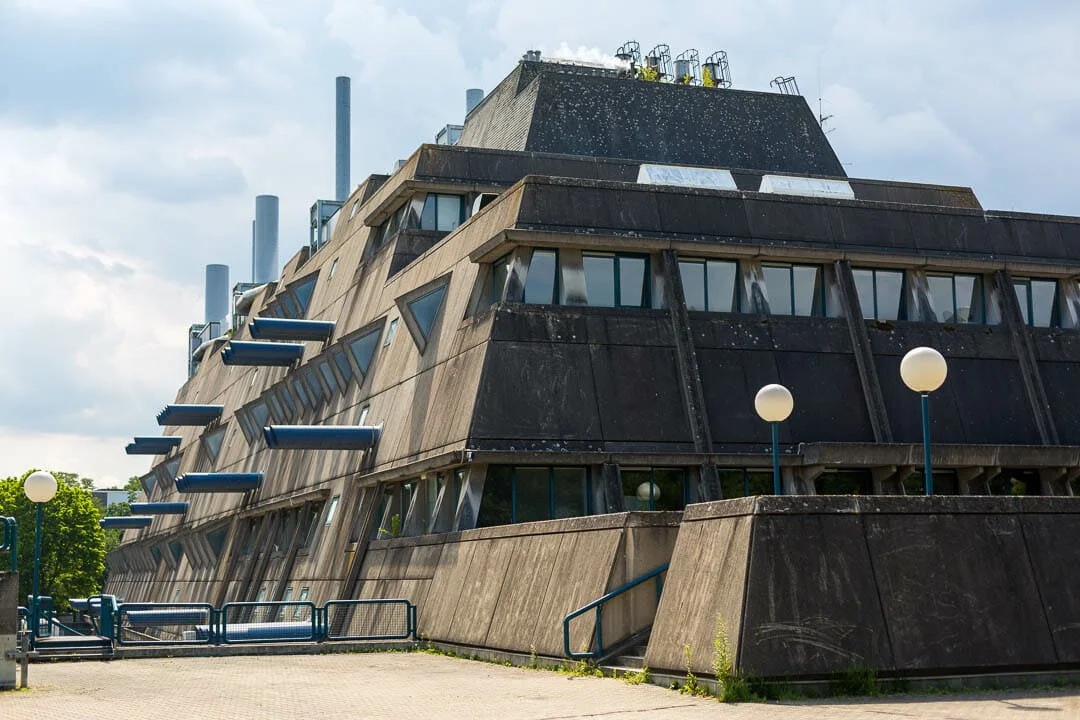
The "mouse bunker" animal-testing facility squats beside the Teltow Canal like a monstrous brutalist toad-tank, long blue turrets pointing every direction.
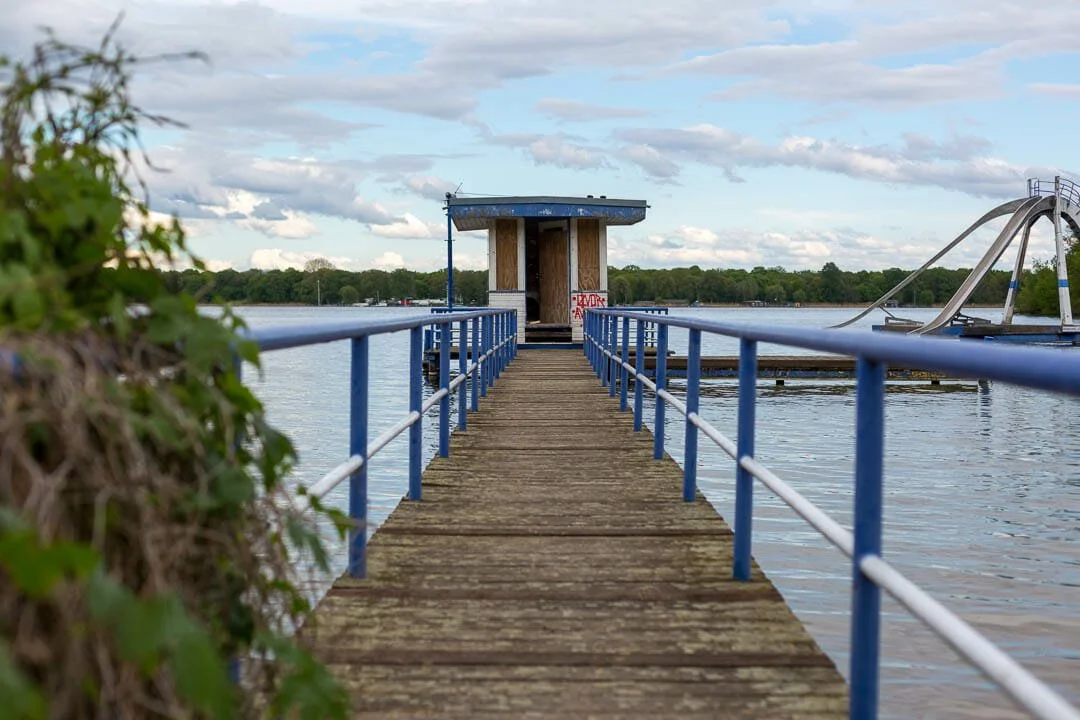
The abandoned status of Strandbad Tegel looks secure. Campaigners are trying so hard to reopen it that you can be sure it won't be opening anytime soon.
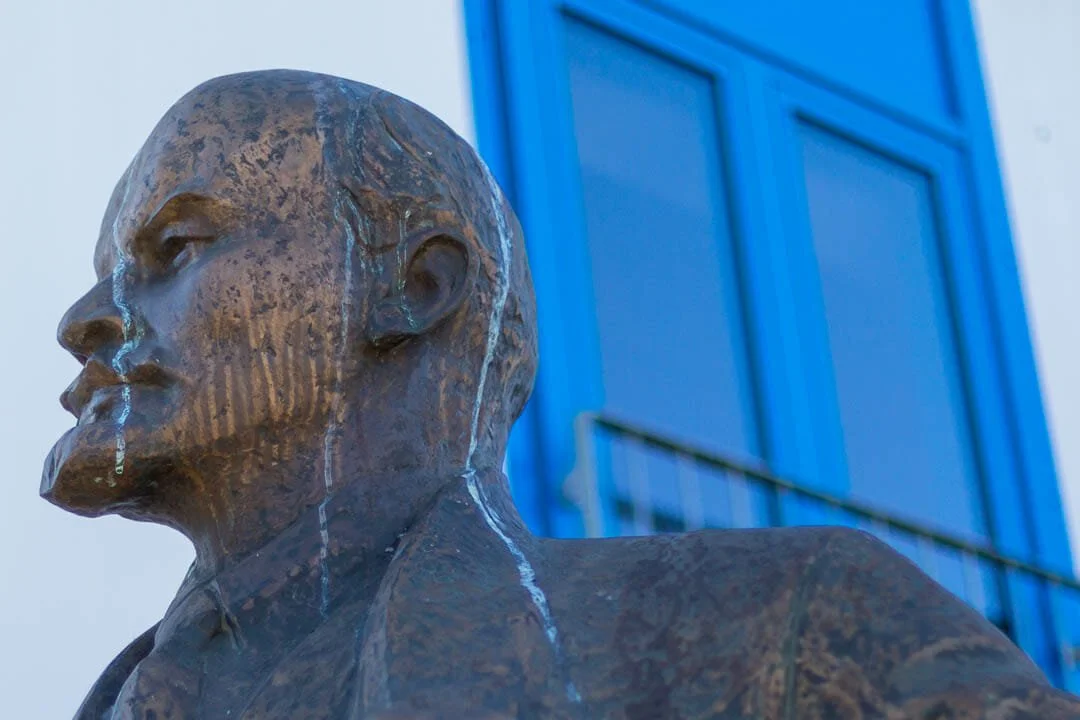
Lenin can't have imagined he’d be spending his 150th birthday alone in a parking lot in West Berlin. But that’s where he is, outside Zapf Umzüge removals.
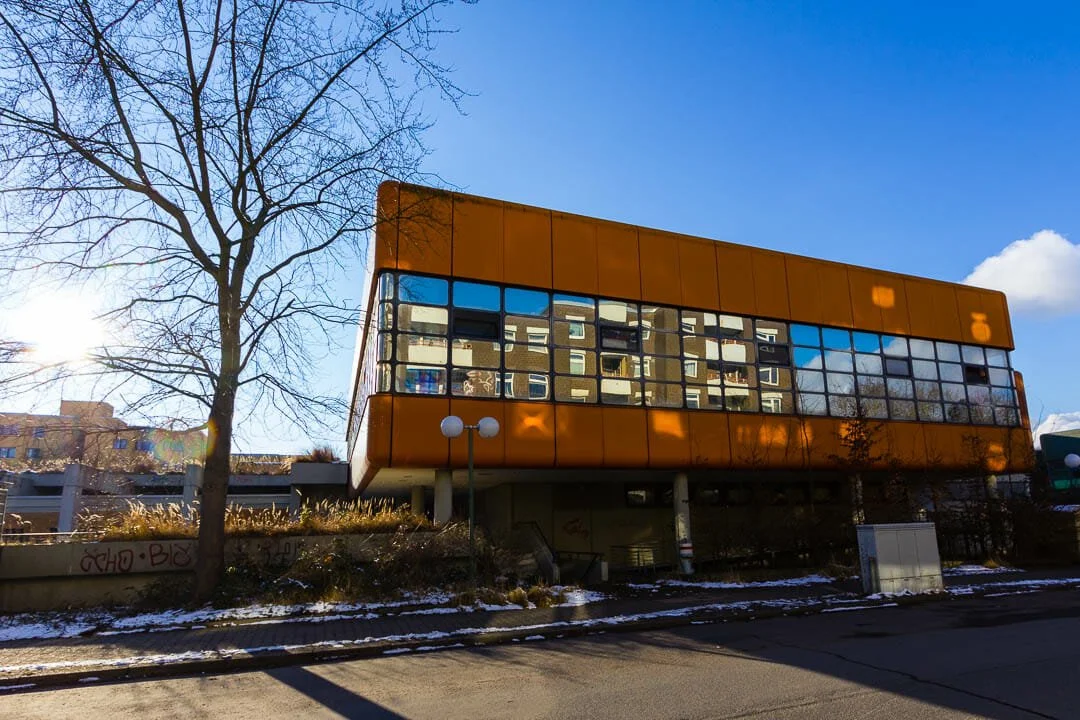
Cité Foch’s closing down sale must have been something else. Everything must go! In the end, even the shopping center, cinema and leisure center had to go.
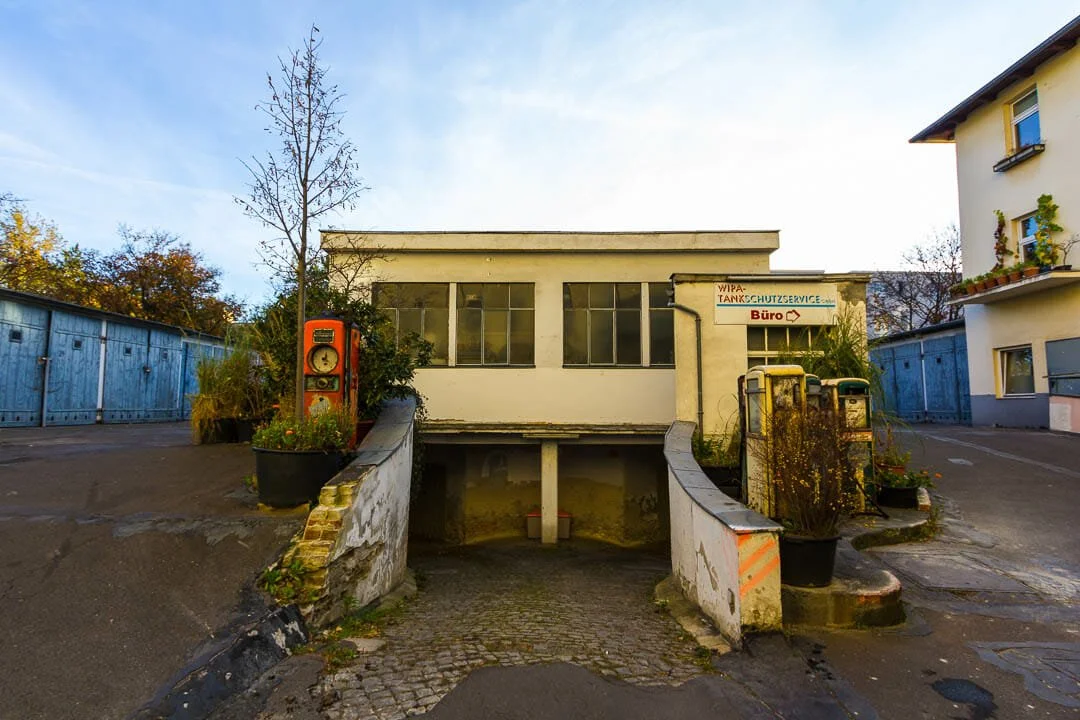
Berlin is forever itching to be scratched. Scratch beneath the surface and you'll find hidden gems, like this antique gas station from a bygone era.
Time overlooked the Wiesenburg while Berlin’s ruins were cleared or rebuilt after the war. The former homeless shelter in Wedding was left fend for itself.
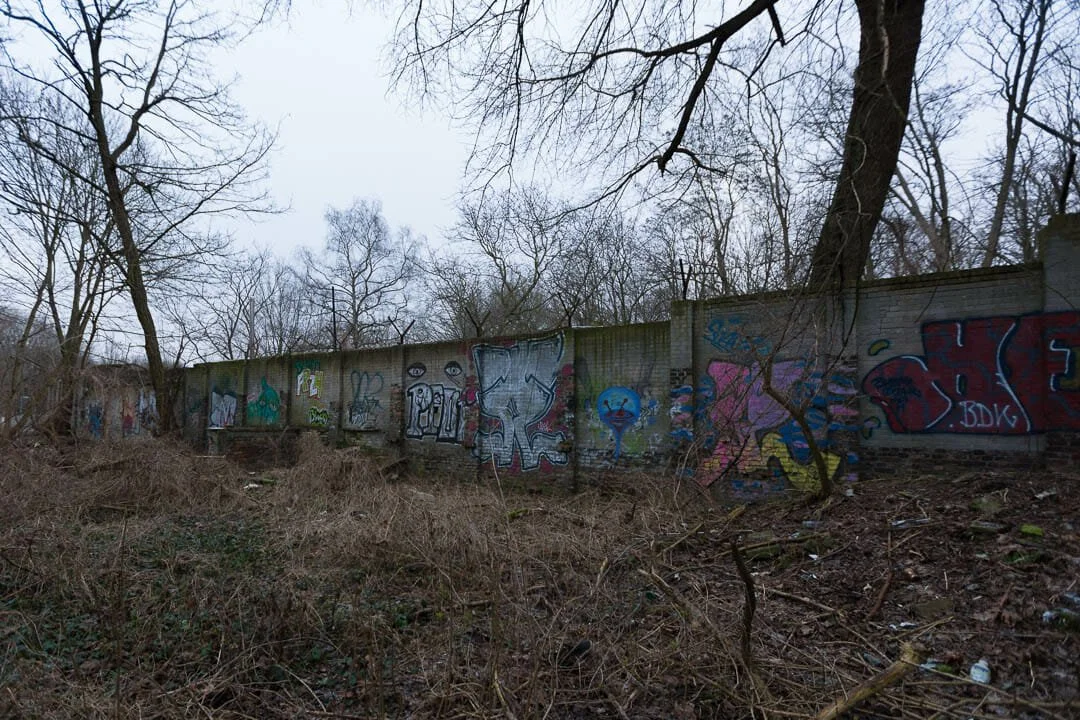
It was a "small sensation" to find 80 meters of the original Berlin Wall among a bunch of secretive trees that imagined they could keep it hidden forever.
The Ardy ready-made meal factory evidently didn’t get the meals ready enough or it wouldn’t have gone bust. But bust it is, desperately in need of a dönor.
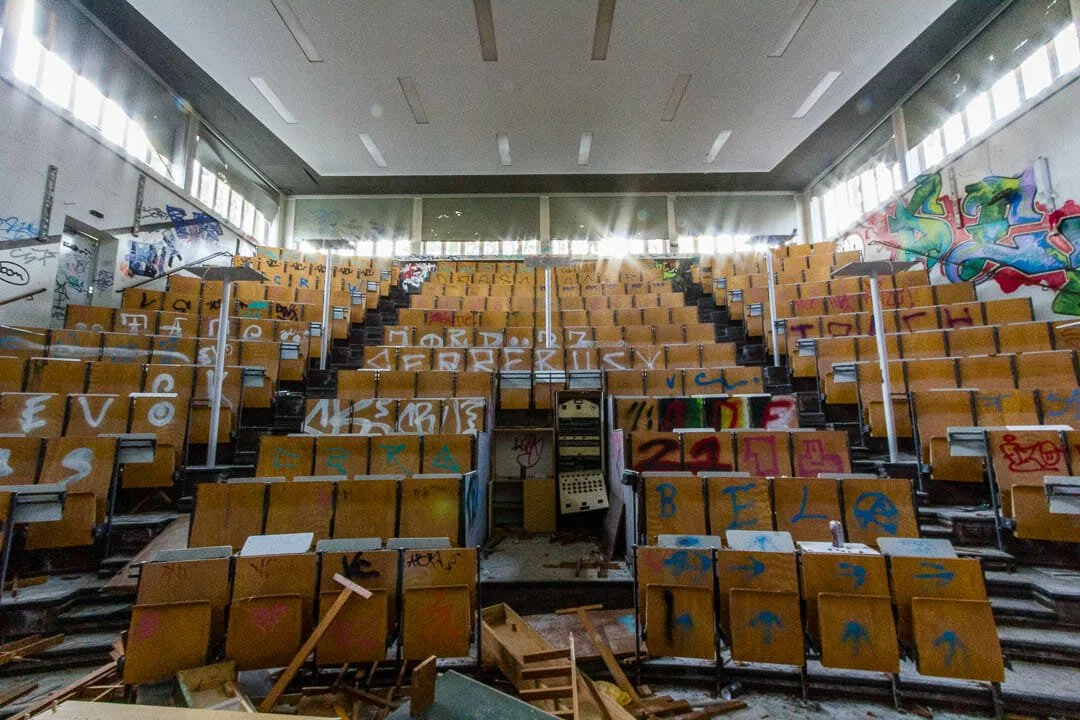
The Institute of Anatomy endured a choppy past, with sadistic students conducting fevered experiments on people who were no longer in a position to object.
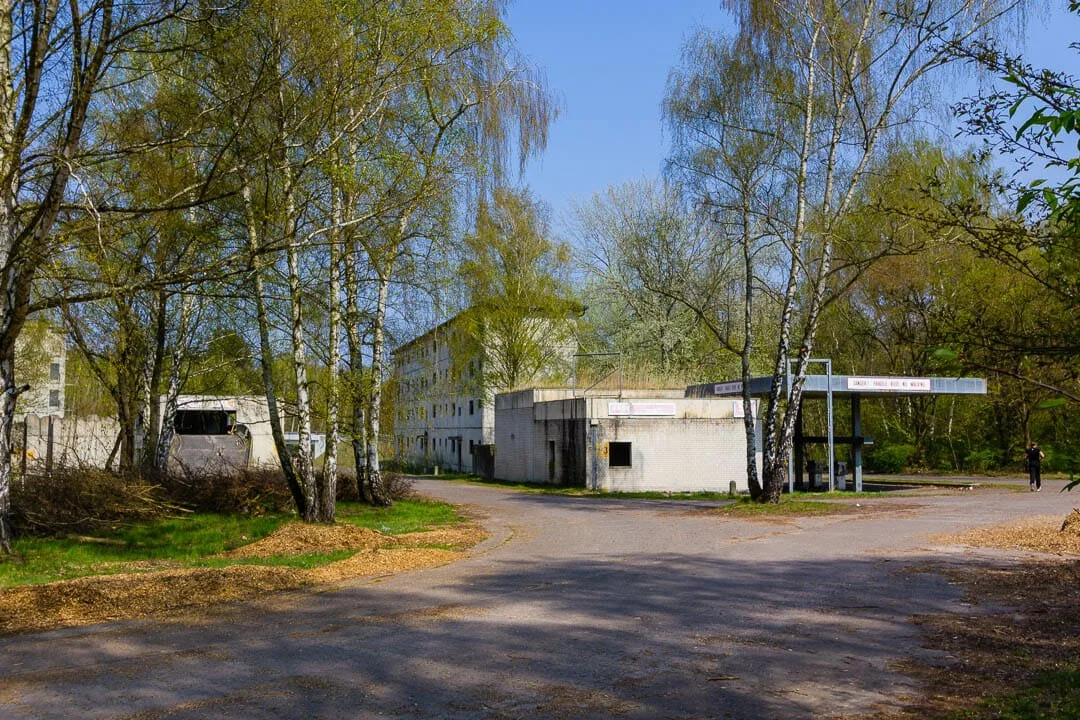
The British built "Fighting City" so their soldiers could learn the subtle art of urban combat. It wasn’t abandoned for long before the police took over.
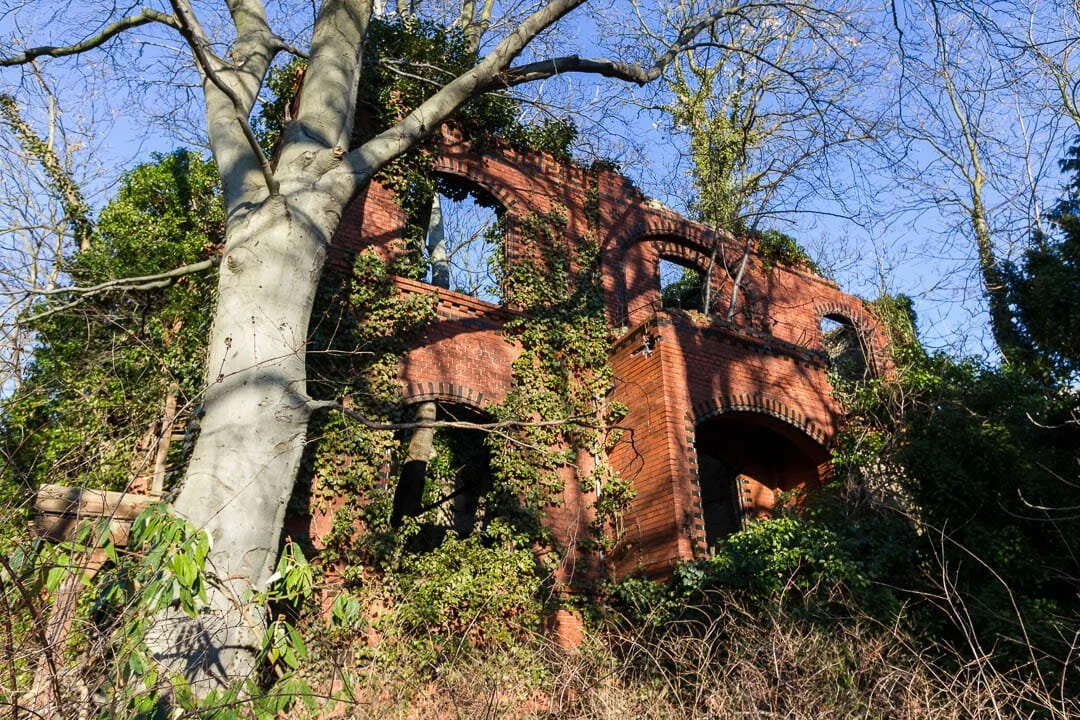
Professor August Hinderer's beautiful house has been in ruins since it was hit by bombs one night in March 1944. Trees are growing where the roof should be.
Süd-Bowling in Steglitz used to be one of Berlin’s favorite bowling alleys, with 16 lanes. The old Kegelbahn was bowled over, abandoned, and replaced by apartments.
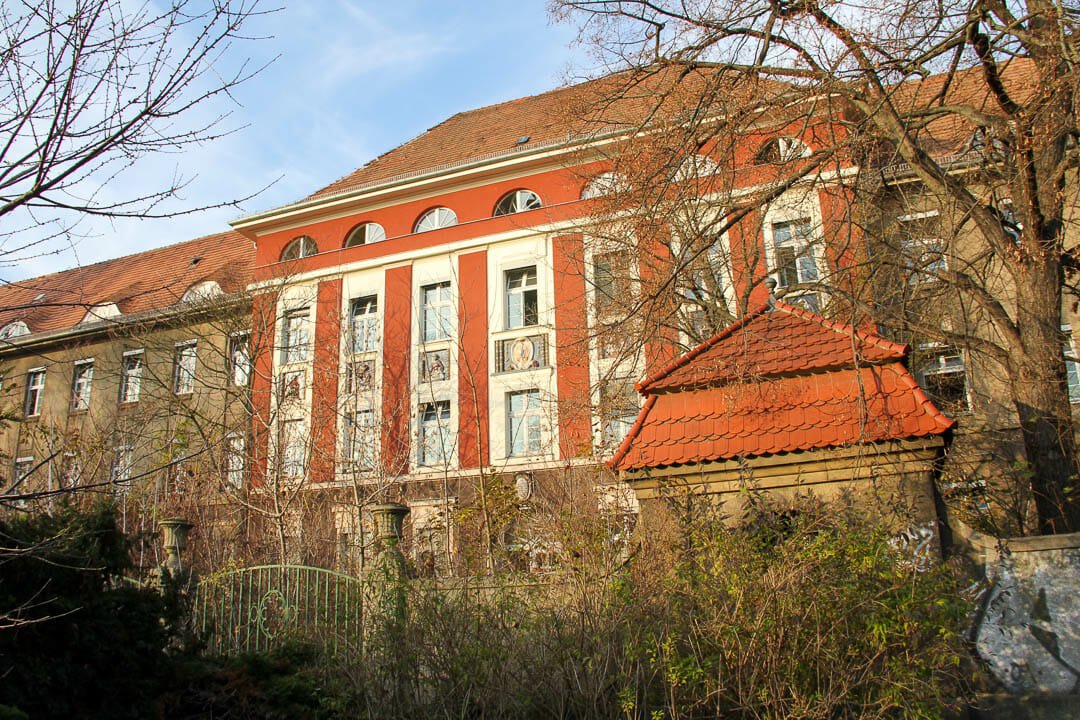
The Kinderkrankenhaus is krank and no one’s there to provide the cure. No wonder the little souls of the children left behind are desperate for visitors.
Lew McDaniel of West Virginia worked as a linguist at Teufelsberg, Field Station Berlin, from 1968-71. He tells Abandoned Berlin of life at the spy station.